#Research & Development
Organic Agriculture: From Niche to Necessity
Enhancing Sustainable Agriculture with Eco-Friendly Hydrogel Solutions
As awareness of health and sustainability grows, organic agriculture is evolving from a niche practice to a cornerstone of the global agricultural and food industries. Whether it’s meeting consumer demand for healthier foods or addressing environmental concerns through reduced chemical inputs, organic farming delivers both economic and ecological value. However, the industry’s rapid expansion presents challenges, including high costs, technological barriers, and intense competition. How can stakeholders transform these challenges into opportunities?
Why Organic Agriculture is the Future of Farming
Organic agriculture is one of the fastest-growing sectors in farming. Market research predicts that by 2027, the global organic food and beverage market will reach $620 billion, with a compound annual growth rate exceeding 10%.
Key Drivers of Growth
1. Shifting Consumer Preferences
Over 70% of consumers are willing to pay a premium for chemical-free foods.
Younger generations prioritize sustainability and environmental impact, driving demand for organically produced goods.
2. Global Sustainability Goals
Organic farming minimizes chemical fertilizer and pesticide use, enhancing soil health and biodiversity.
It plays a crucial role in combating climate change and building environmental resilience.
3. Policy Support and Market Incentives
Governments worldwide offer subsidies, tax incentives, and training programs to encourage organic farming.
Developing countries are collaborating with international organizations to boost organic exports.
Challenges and Strategic Solutions
While organic agriculture holds immense promise, it faces significant hurdles. Here’s how to turn obstacles into opportunities:
Challenge 1: High Production Costs and Technological Barriers
Solution:
Precision Agriculture Tools: Use soil sensors and drones for real-time data, optimizing fertilization and irrigation.
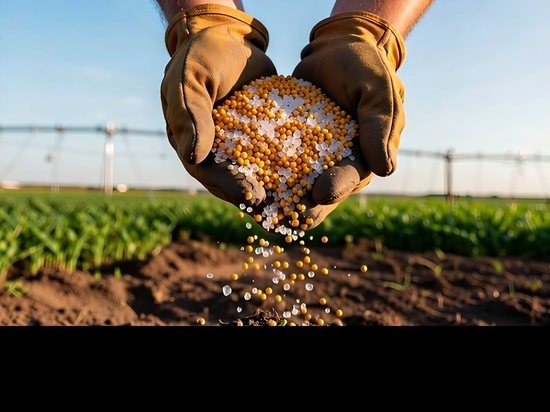
Water Retention Gels: Improve soil water retention, reducing irrigation needs, especially in arid regions.
Challenge 2: Complexity and Cost of Organic Certification
Solution:
Blockchain Technology: Streamline certification processes with verifiable digital records.
Regional Certification Cooperation: Advocate for mutual recognition of standards between regions to reduce redundant certifications.
Challenge 3: Market Competition and Consumer Education
Solution:
Focus on Niche Crops: Target high-value products like rare organic herbs or local specialties.
Storytelling and Marketing: Use content marketing to build trust and educate consumers about the benefits of organic products.
Natural farming and organic farming share similar goals of sustainability and chemical-free practices, but they differ in approach:
Natural Farming:
Avoids all external inputs, including organic fertilizers.
Relies on natural processes like crop residue and microbial activity.
Often emphasizes local, small-scale farming methods.
Organic Farming:
Utilizes certified organic inputs like compost and manure.
Adheres to standardized guidelines for certification.
Operates on a broader scale, often targeting international markets
Both methods contribute to sustainable agriculture, but organic farming’s scalability and market recognition provide distinct economic advantages.
Advantages of Organic Farming
The Potential and Economic Benefits of Organic Agriculture
1.Premium Pricing in High-End Markets
Organic products typically command 20%-30% higher prices, with sustained growth in high-income markets.
2.Environmental and Social Impacts
Soil Health: Reduced chemical inputs enhance soil fertility, stabilizing yields over the long term.
Biodiversity: Diverse cropping systems provide habitats for beneficial insects, birds, and other species.
3.Export Opportunities
Certified organic farms in developing countries can access lucrative markets in Europe and North America. Organic export revenues have grown by 15% annually over the past five years.
Global Success Stories: Lessons from the Field
Case 1: Small Organic Orchard in Germany
Secured EU organic certification, exporting berries at premium prices to France and Nordic countries.
Reduced fertilizer costs by 50%, increasing overall profitability by 30%.
Case 2: Organic Coffee Farm in Kenya
Used chemical-free pest management to create a unique flavor profile, capturing high-end markets in Europe and the US.
Annual revenues surged by 50%.
Seizing Opportunities in Organic Agriculture
To succeed in this dynamic industry, stakeholders must:
Embrace Technology: Implement precision tools, blockchain, and smart farming techniques.
Expand Market Reach: Leverage export opportunities and cater to high-end local markets.
Invest in Marketing: Educate consumers using social media and compelling storytelling.
Utilize Policy Support: Apply for subsidies and technical assistance to lower transition costs.