#Industry News
How Much Water Is Left in the Cotton Root Zone?
A closer look at soil sampling and how to assess agricultural hydrogel between watering events during flowering and boll development.
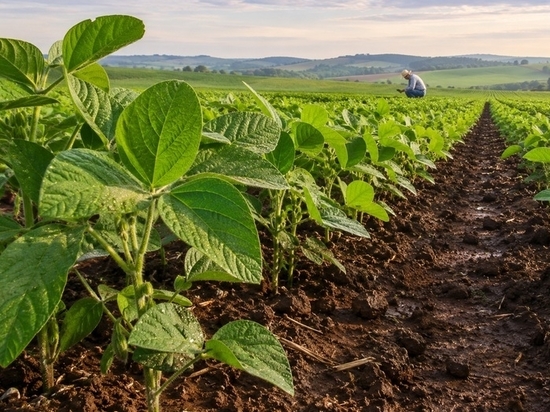
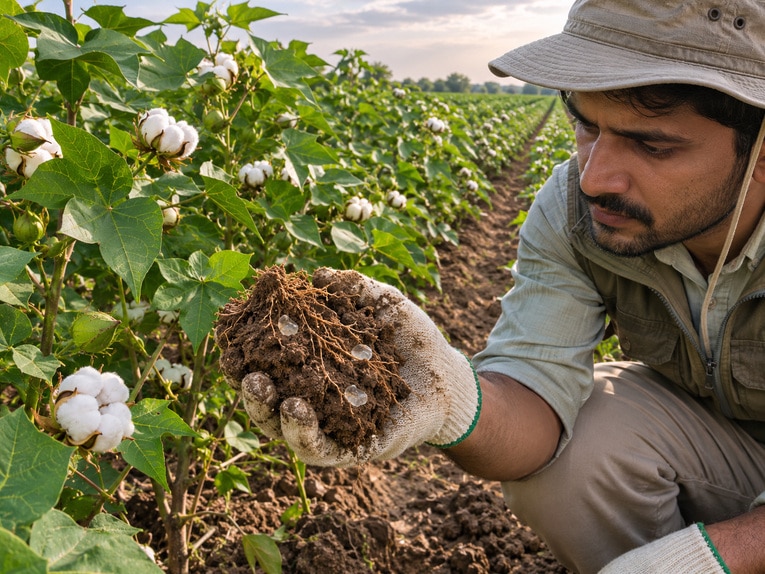
Break open a clod beside a cotton plant and you can see where fine roots are growing and get a first impression of how far moisture extends below the surface. From flowering through boll development, the practical question is how much water remains in the soil where roots are active and how long it will last. Water availability during this period can affect reproductive growth, so surface moisture is only a starting point when scouting.
Check moisture before the next irrigation
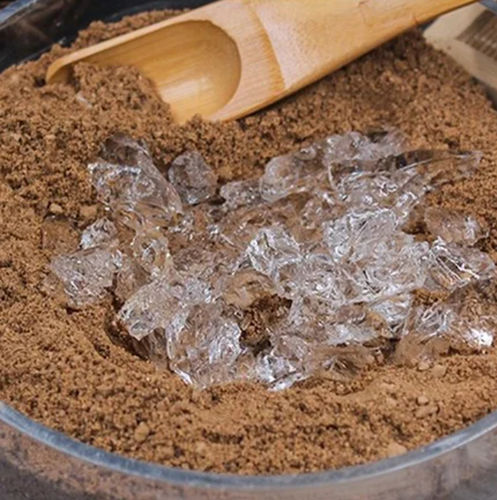
SOCO® Soil Hydrogel is an agricultural superabsorbent polymer (SAP). When mixed into root-zone soil, its granules absorb water from rainfall or irrigation and swell. As the surrounding soil dries, some of the stored water can move back into the soil. To assess moisture retention, compare treated and untreated areas with similar soil and water inputs. Measure at the same depth and a comparable distance from the cotton plants, first after irrigation or rainfall and again before the next scheduled irrigation. The first reading shows conditions after watering. The second helps reveal whether the treated root zone held more moisture through the interval.
Shift the focus as bolls begin to open
When the first bolls open, other bolls may still have time to mature into a harvestable crop. The decision to continue or end irrigation depends on their maturity, remaining soil moisture and expected weather. Evaluating moisture retention during boll development and deciding when to finish irrigation are two separate steps in managing water across the cotton season.