#Industry News
Root-Zone Moisture Matters: Using Soil Hydrogel in Fruit Tree Transplanting
A practical look at how agricultural water-retention polymers can support moisture management around newly planted roots.
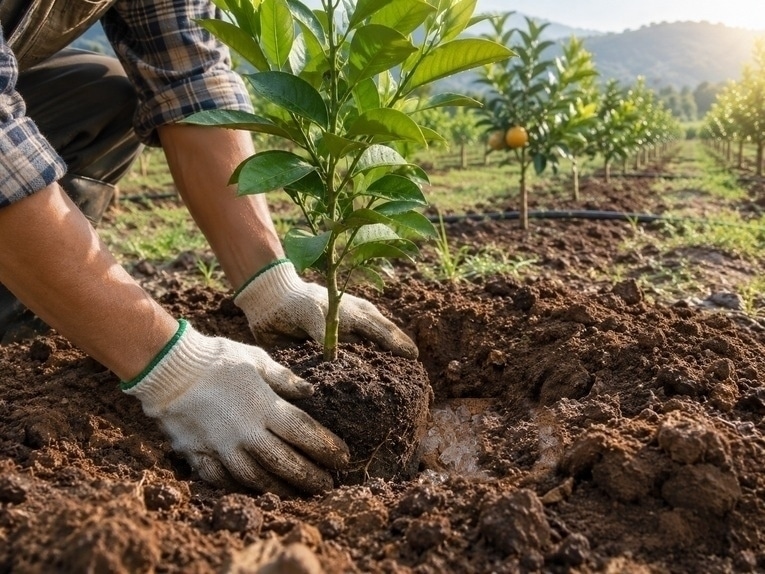
Planting a young fruit tree is only the beginning. During establishment, its roots must extend beyond the original root ball into the surrounding soil. Until that happens, keeping moisture available where those roots can reach it is an essential part of transplant care.
For orchard managers, this creates a practical challenge: how can the planting zone retain useful moisture between watering events without becoming waterlogged? Agricultural soil hydrogel is one option worth evaluating as part of a wider water-management programme.
Why the root zone deserves attention
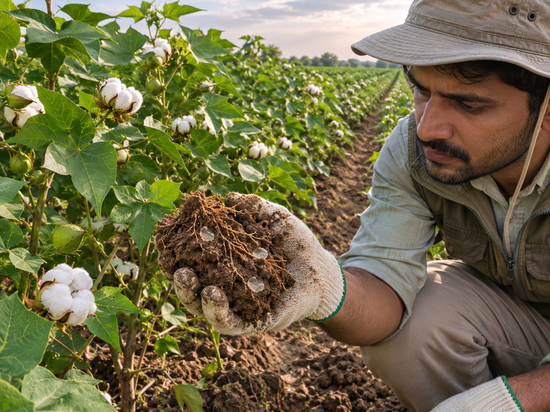
A field can look adequately watered while the root ball of a newly planted tree remains too dry. Checking moisture close to the roots is therefore more useful than judging conditions from the soil surface alone. Irrigation should wet the root ball and, as establishment progresses, the surrounding soil that new roots will explore.
University of Minnesota Extension identifies watering as a central part of caring for newly planted trees and recommends adjusting irrigation to establishment needs and site conditions.
What soil hydrogel can contribute
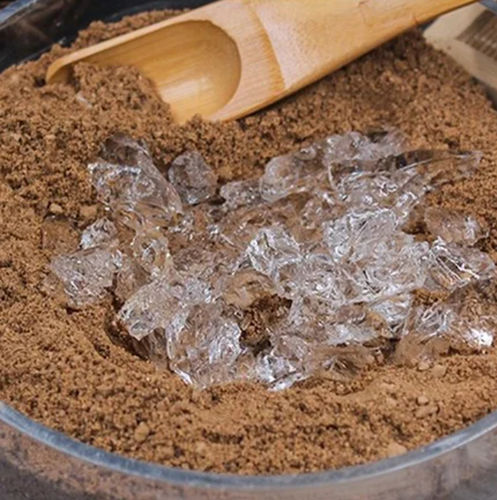
Agricultural hydrogels are water-absorbing polymers that swell when hydrated. Mixed into soil, they can hold water and release a portion of it as the surrounding soil dries. Their potential value lies in supplementing moisture storage near the developing root system.
However, water absorption alone does not establish how well a product will perform in an orchard. The US Forest Service notes that research findings on plant water uptake are mixed and vary with the product and environmental conditions. Hydrogel should therefore be assessed for the intended planting situation rather than treated as a guaranteed solution.
Mixing matters more than making a pile
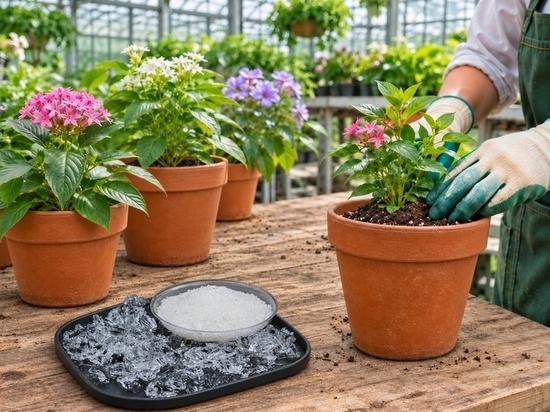
For transplanting applications, placement should follow the selected product’s instructions. Where mixing with backfill soil is recommended, distribute the material evenly through the intended treatment zone rather than leaving a concentrated mound beside the root ball.
Depending on the formulation, hydrogel may be applied dry or pre-hydrated. UF/IFAS Extension describes both approaches, including mixing fully hydrated gel with soil. The appropriate method and application rate should be confirmed for the specific product before planting.
Keep irrigation and monitoring in the programme
Hydrogel does not remove the need to water a newly transplanted tree. Planting quality, drainage, irrigation and ongoing moisture checks remain essential.
A useful starting point is a small comparison under local conditions. Treat a group of similar trees while maintaining an untreated comparison group, and record irrigation volumes, root-zone moisture, plant condition and establishment outcomes. Keep other management practices consistent so that any differences can be interpreted more reliably.
Choosing an application approach with SOCO
SOCO® Soil Hydrogel is a potassium-based agricultural superabsorbent polymer offered for applications including fruit tree transplanting and root-zone water management.
Before selecting a treatment, share the tree species, root-ball size, soil conditions, irrigation method and water quality with the SOCO team. These details provide a practical starting point for discussing product selection, application guidance and a local evaluation.
For a newly planted orchard, effective water management starts close to the roots. The goal is to combine suitable materials with sound planting and irrigation practices, giving each tree access to moisture during establishment.