#Research & Development
Potassium Polyacrylate: The Ideal Soil Hydrogel for Agriculture
Enhancing Soil Moisture Retention and Sustainable Plant Growth with Advanced Hydrogel Technology
In modern agriculture, improving water efficiency is no longer optional—it’s essential. Among the available solutions, potassium polyacrylate has emerged as one of the most effective superabsorbent polymers (SAP) for soil water management and crop performance.
Unlike conventional absorbent materials, potassium polyacrylate is specifically designed for agricultural use, offering superior compatibility with soil, plants, and fertilizers.
As someone working closely with SAP applications, I’ll break down why potassium polyacrylate is increasingly preferred over traditional alternatives.
What Is Potassium Polyacrylate?
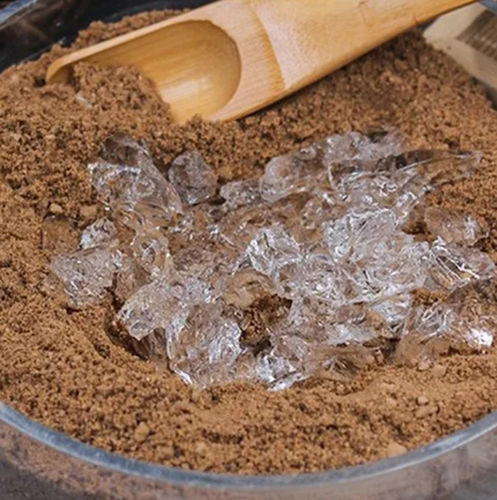
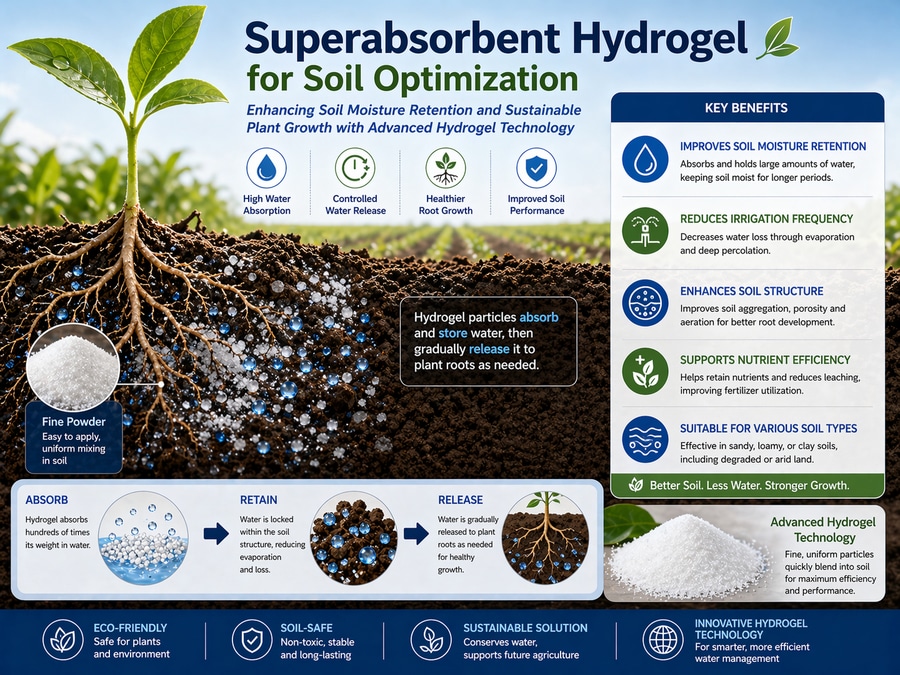
Potassium polyacrylate is a cross-linked superabsorbent polymer capable of absorbing hundreds of times its weight in water and forming a stable hydrogel.
The key difference from sodium-based SAP lies in the potassium (K⁺) ion, which is beneficial for plant growth. This makes it particularly suitable for agricultural and horticultural applications.
How Potassium Polyacrylate Works
The mechanism follows a simple but highly effective cycle:
1. Absorption – The polymer rapidly absorbs water from irrigation or rainfall
2. Storage – Water is held within a three-dimensional gel structure
3. Release – Moisture is gradually released as the soil dries
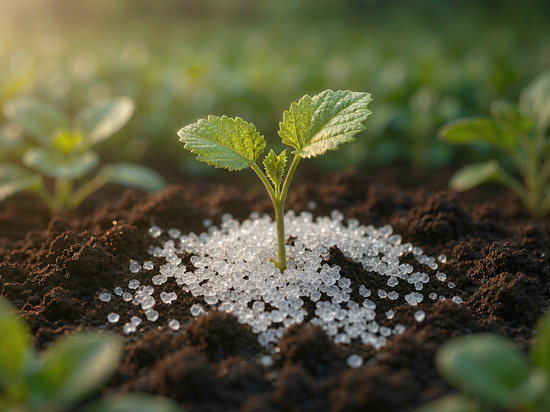
This process creates a micro water reservoir directly in the root zone, ensuring plants have consistent access to water even under dry conditions.
Key Benefits of Potassium Polyacrylate
1. Superior Water Retention in Soil
Potassium polyacrylate significantly increases the soil’s water-holding capacity, reducing irrigation frequency and improving drought resistance.
2. Enhances Fertilizer Efficiency
By retaining water in the root zone, it also helps reduce nutrient leaching, allowing plants to absorb fertilizers more effectively.
3. Promotes Root Development
Consistent moisture availability encourages deeper and stronger root systems, leading to healthier and more resilient crops.
4. Environmentally Friendly
Agricultural-grade potassium polyacrylate is:
· Non-toxic
· Biodegradable over time
· Safe for soil structure and microbial activity
5. Provides Potassium Nutrient Value
Unlike sodium-based SAP, potassium polyacrylate contributes beneficial potassium ions, which are essential for plant growth and yield.
Main Applications in Agriculture
1. Field Crops
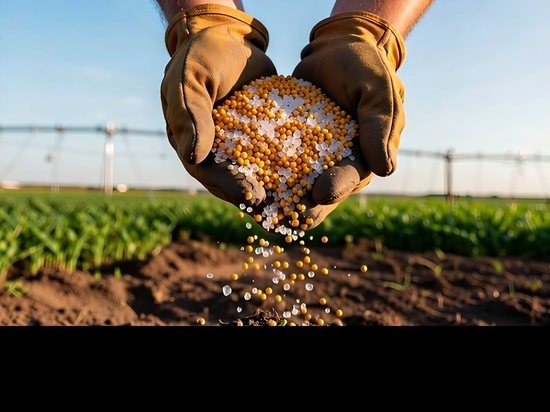
Used in crops like corn, wheat, and soybean to:
· Improve drought resistance
· Stabilize yields
· Reduce irrigation costs
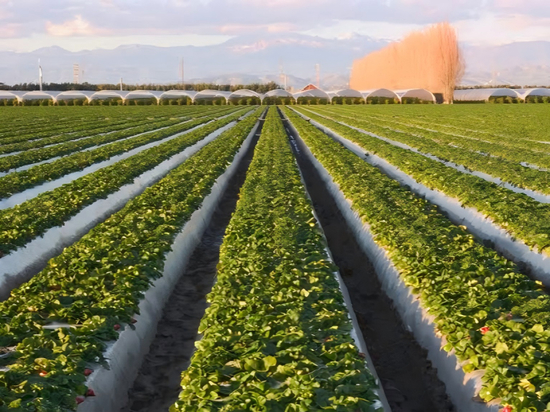
2. Horticulture and Vegetables
Ideal for:
· Tomatoes
· Leafy greens
· Greenhouse cultivation
It ensures consistent moisture, leading to uniform growth and higher quality produce.
3. Tree Planting and Landscaping
Applied during transplanting to:
· Improve survival rates
· Reduce transplant shock
· Support early root establishment
4. Sandy and Arid Soils
Particularly effective in:
· Desert agriculture
· Poor water-retention soils
It transforms soil into a more water-efficient growing medium.
Why Potassium Polyacrylate Is Critical for Sustainable Farming
With increasing pressure on water resources, farmers need solutions that deliver more output with less input.
Potassium polyacrylate helps by:
· Reducing water consumption
· Improving fertilizer efficiency
· Enhancing crop resilience
This makes it a key material in climate-smart agriculture.
How to Choose the Right Potassium Polyacrylate
Performance depends on:
· Particle size (fine vs. coarse)
· Absorption capacity
· Soil type and crop type
· Application method (dry vs. pre-hydrated)
Selecting the right specification ensures maximum effectiveness in the field.
Final Thoughts
Potassium polyacrylate is not just a water-retaining material—it’s a strategic input for modern agriculture.
For growers facing water scarcity, soil degradation, or rising input costs, integrating this superabsorbent polymer into soil management practices can deliver measurable improvements in efficiency, yield, and sustainability.