#Farm Machinery & Equipment
Flexible Tank: The “Water” Solution for Construction Sites
Temporary Events and Construction Sites: The Advantages of a Flexible Tank
Temporary events, construction sites: discover how to manage water storage with a flexible tank.
Many temporary activities take place outdoors: renovation sites, festivals, events. All of them share a common point — the need for water, in the right place, without heavy logistics. The flexible tank is the perfect answer to these constraints. Easy to transport, deploy, and fold away, it secures water supply for construction companies, craftsmen, and event organizers. What are its main uses? How do you choose and install it? That’s what this article explains.
Flexible Tank and Temporary Operations: The Perfect Match
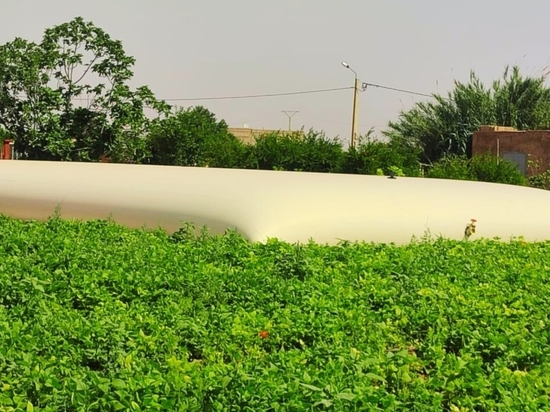
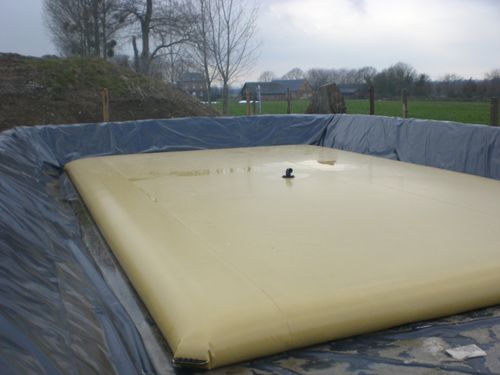
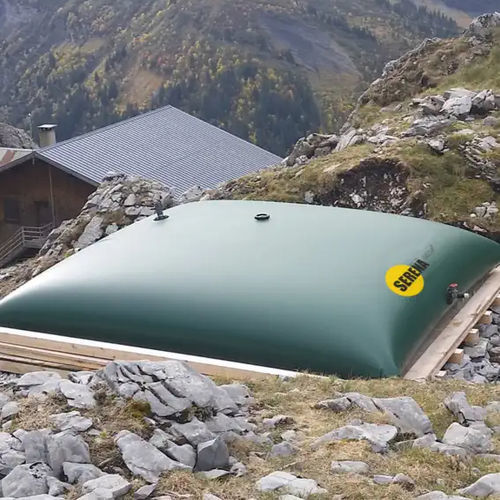
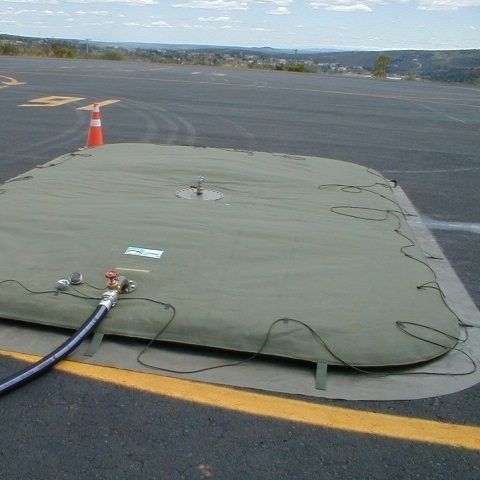
The primary advantage of a flexible tank is its simplicity. Delivered rolled up, it is placed on a flat surface, connected in a few minutes (valves, quick couplings), and filled from a tanker truck, a fire hydrant, a temporary network, or even a rainwater collector installed on a tent roof. No need for lifting equipment, excavation, or masonry.
Its ease of installation and use does not detract from its robustness: high-quality technical fabrics (PVC) ensure excellent mechanical strength, strong UV resistance, and perfect watertightness.
The flexible tank is therefore a mobile, safe, and durable storage solution, ideal for supplying nomadic sites.
Multiple Benefits of Flexible Tanks in Construction
On a construction site, water is needed everywhere. A flexible tank makes it available where and when it’s needed, especially for:
Supplying pressure washers: façade, formwork, or machinery cleaning requires a stable flow. A 3 to 10 m³ flexible tank, paired with a small surface pump, provides uninterrupted supply to multiple washers.
Mixing mortar: in non-connected zones, having a water reserve near the mixer speeds up production by avoiding constant back-and-forth trips. Volumes of 5 to 15 m³ easily cover a full day of mixing.
Dust reduction (earthworks, roads, depots): in dry weather, targeted spraying reduces dust and improves working conditions. By connecting the flexible tank to a ramp or hose, you can humidify roads and material piles at regular intervals.
In addition, the flexible tank can serve as a buffer for a rainwater collector connected to a modular building roof: collected rainwater is used for site irrigation (plants, paths), reducing costs.
Event Sites: The Contribution of Flexible Tanks
Whether it’s a festival, an outdoor trade fair, or a sports event, water logistics often cause headaches for organizers. A flexible tank provides a tailored response to non-potable water needs:
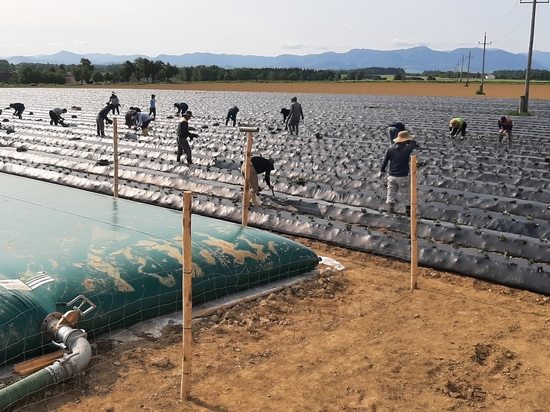
Dust control and irrigation: watering the ground or flower beds is often essential, and a temporary flexible tank handles it effortlessly.
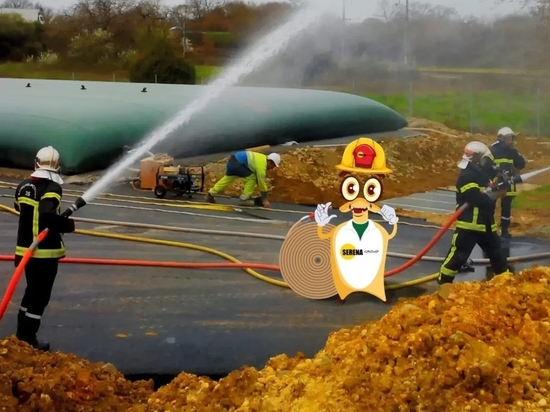
Temporary fire reserve: some events require a fire reserve or water point. A high-volume flexible tank fulfills this requirement. It can be clearly marked in the firefighters’ access plan, with signage and maneuvering space.
Rainwater collection under tents: by fitting temporary gutters with a rainwater collector, water can be stored in the flexible tank to meet these needs. Highlighting this ecological measure — not wasting unnecessary water — has a positive impact on public and local perception.
How to Deploy a Flexible Tank on a Temporary Site
Installing a flexible tank on a construction or event site must be planned in advance. In just a few steps, the tank is ready for use:
Choose the right location: a flat, stable, debris-free surface is required. A protective mat must be laid to eliminate stones and sharp edges that could damage the tank. Reserve access for firefighters and equipment circulation.
Plan the fittings: SERENA tanks come with standard quick couplings (e.g., 2″/DN50). Select couplers to match your existing equipment.
Filling and overflow: the tank can be filled from a temporary network, a truck, or a rainwater collector.
Pump and distribution: if constant pressure is needed, add a pump with a pressure switch and washable filter. For simple watering, a basic pump is sufficient.
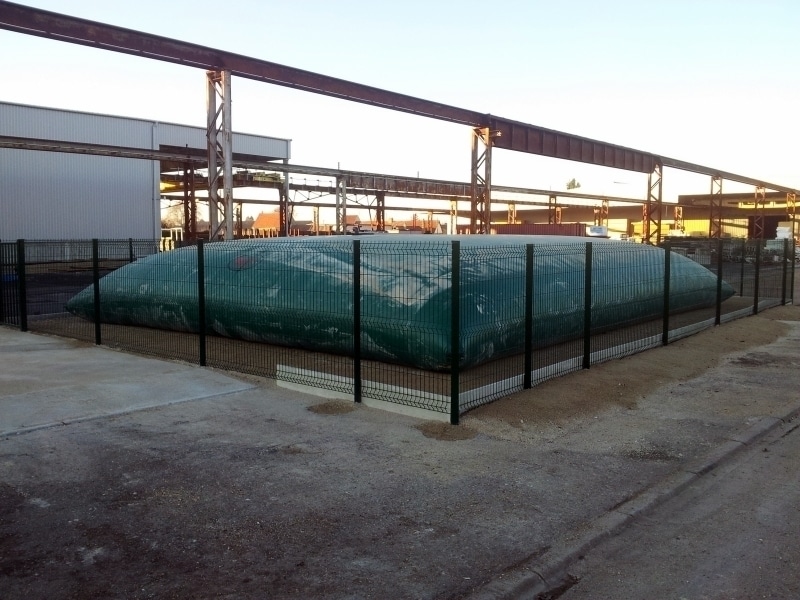
Safety: valves must be protected from impacts (with posts). On a site or during a public event, the area must be marked to avoid unauthorized access over the tank.
At the end of operations, the tank is fully emptied, rinsed, quickly dried, and then folded onto a pallet or into a crate.
Flexible Tanks: A Simple, Robust Solution for Your Temporary Installations
No need to constantly bring in tanker trucks or use rigid systems that are long and costly to install. For temporary events and construction sites, a flexible tank saves time and offers a particularly practical solution.
Transport and installation: transported folded (in a van or pickup) and installed manually, without lifting or excavation.
Deployment time: on average, between 2 and 3 hours.
Maintenance and durability: the PVC used by SERENA is highly robust. Maintenance is simple and minimal: rinsing, checking seals, and occasionally replacing a seal or fitting.
Flexibility: SERENA offers tanks ranging from 300 liters to 1,000 cubic meters, providing solutions for every need.
A flexible tank is an efficient and economical solution for temporary water needs in construction and events. Adaptable to many configurations, it allows quick and easy installation. The SERENA teams support you in choosing the right volume, fittings, pumps, and accessories, providing a turnkey solution that is robust and perfectly suited to your on-site requirements.
Would you like me to adapt this translation into a shorter version for a brochure or website landing page, instead of a full article? That would make it punchier and more marketing-oriented.