#Farm Machinery & Equipment
Drought episodes: flexible tanks and water savings
Serena flexible tanks
Drought episodes: flexible tanks and water savings
Faced with global warming and drought episodes, here's how to collect and use rainwater for your
domestic needs. Repeated droughts: how to save water with a flexible tank?
Longer summers, recurring heatwaves, drier winters: drought episodes are now affecting all regions
and are imposing new habits at home, in the garden, and in the fields. With a correctly sized flexible
tank,you can make substantial savings and contribute to the environment. Here's how to do it. 1 Collect and store rainwater
While severe droughts are becoming more and more frequent, they alternate
with intensely rainy periods. Climate change is not a figment of the imagination. Everyone, professionals and individuals alike, when we have the opportunity,we can change our habits and best
preserve natural treasures, such as water. How can we collect rainwater?
It all starts with a good gutter system. The goal is to capture most of the rainwater by maximizing the
areas that receive rain: the roof of the house, but also sheds, garages, and greenhouses. On each of
these, a gutter network directs the water to the collector. To avoid blockages and pollution, the installation of rainwater traps and filters allows the collection
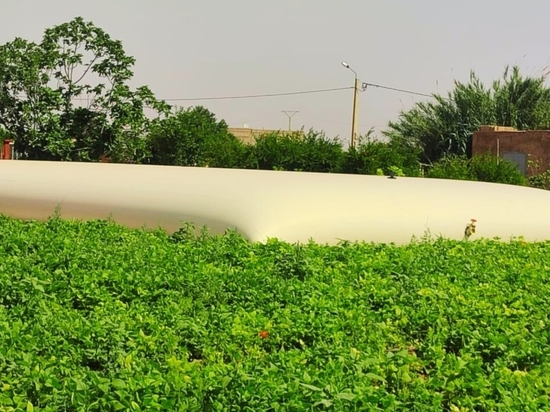
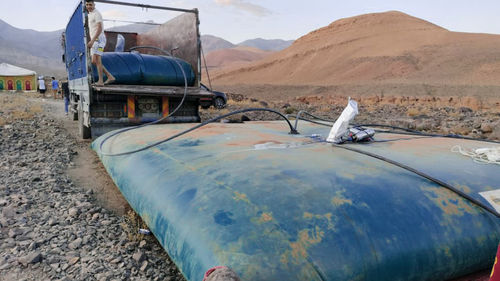
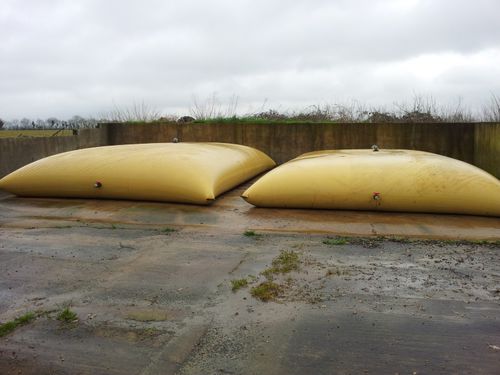
of water free of debris and leaves that could clog or even paralyze the system. The flexible tank, ideal for storing water
There are several types of collectors:
A simple rain barrel installed at the gutter outlet. ● Advantages: much more cheaper, easy to use. ● Disadvantages: Very limited storage capacity—200 liters at most—which does not allow for long
periods of drought. This is more of a backup use, generating little water savings. A rigid tank ● Advantages: Robust due to the materials used (reinforced plastic, metal,even concrete), offering
large storage capacities, it is a durable installation. ● Disadvantages: It generally requires earthworks if it is buried, and complicated installation work. In
some cases, a building permit is required. It is therefore an expensive solution that requires
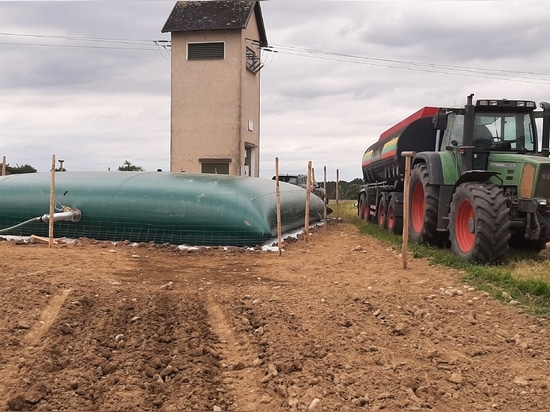
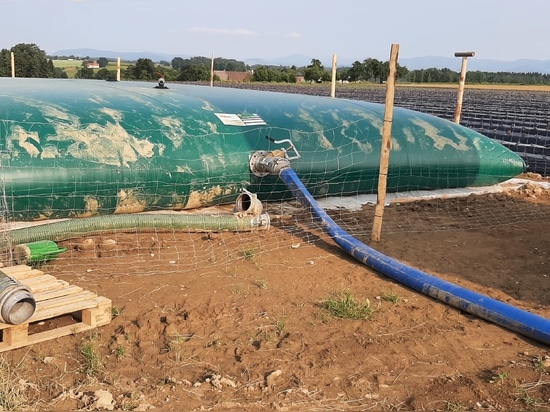
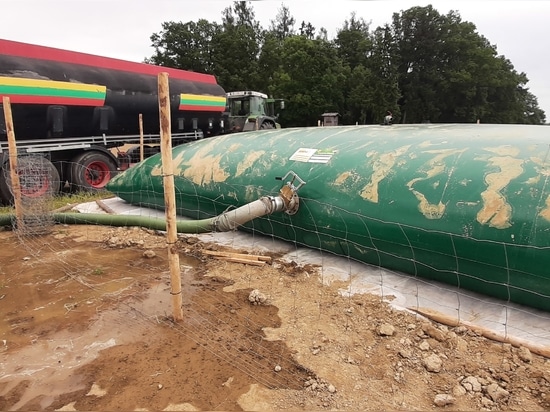
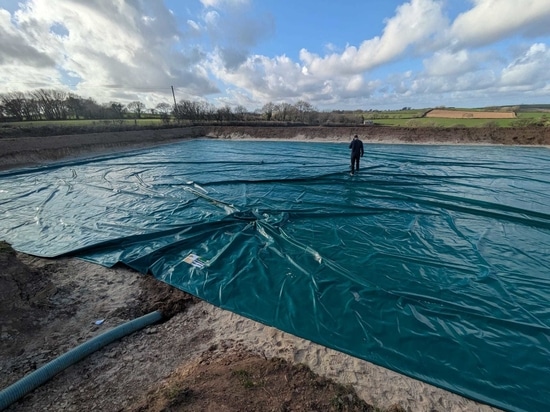
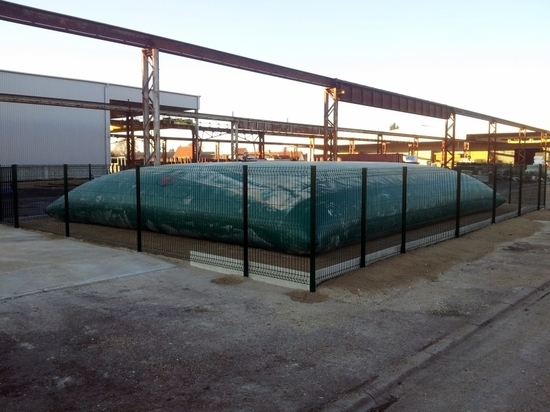
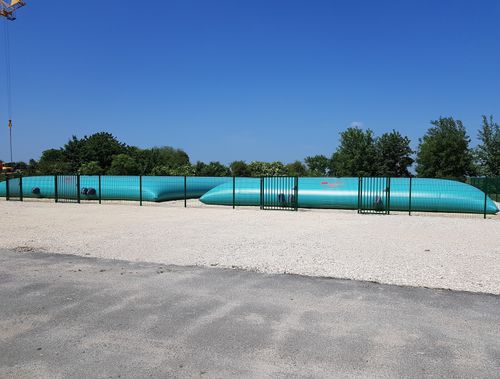
professional work. A flexible tank ● Advantages: Made of a flexible and durable PVC material, it is lightweight and can be installed on
various surfaces, even if they are not perfectly flat. Quick and easy to install, it offers storage
capacities suitable for all configurations. It can even be stored when not in use. This is the best
solution for people who want significant and flexible use of rainwater. ● Disadvantages: It requires significant space since it is installed directly on the ground (garden, land).
2 Optimizing garden and vegetable garden watering
Using rainwater to water gardens and vegetable patches is the most obvious and easiest way to
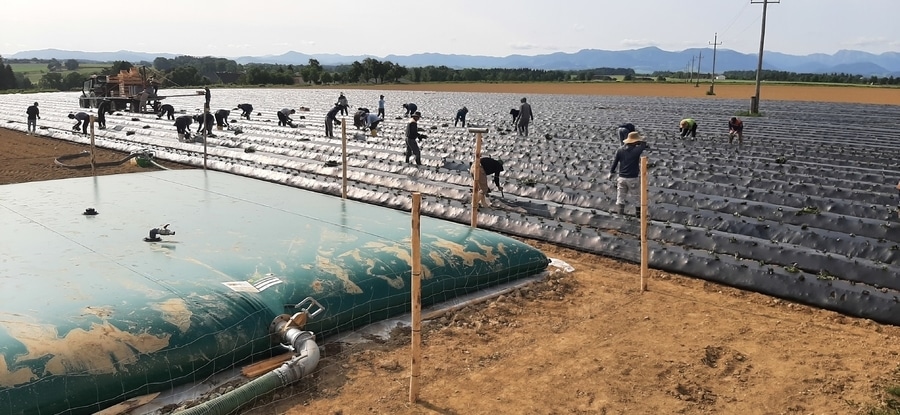
implement it. It is possible to optimize this practice with a few precautions: ● For all crops that allow it, switching to drip irrigation fed by a flexible tank is a real advantage. This
drip system is economical because it targets the roots, limits evaporation, and can save between 30
and 50% water compared to jet irrigation. Simply connect the drip network to the outlet of the
flexible tank via a pump and use a timer to water at night or early in the morning. ● Use mulching: This practice, made from bark, hemp, or straw,helps retain plant moisture and
reduces watering by 20 to 40%. Simply cover the soil where flowers, vegetables, and fruits are
growing with mulch (2 to 3 cm thick). ● Don't hesitate to modify your garden layout by introducing water-efficient plants. For example, Mediterranean species and resilient ground covers that limit watering, such as xerophytic plants. 3 Use rainwater for domestic and household purposes
Rainwater is not potable. It cannot be used for drinking or washing. However, there are many other
daily uses that can use rainwater. The only precaution to take is to disconnect the "potable water"
system from the non-potable system. Connecting your washing machine to rainwater
A washing machine consumes 40 to 80 L per cycle. Rainwater can be used as a water source. To reduce water consumption, you can take care to Consistency of full loads with "eco" programs. Before switching your washing machine to rainwater, seek advice from an expert; water treatment
can be crucial to avoid damaging the appliance. Flexible cistern and pumping kit to supply toilets with rainwater
Flushing toilets accounts for 20 to 30% of a household's water consumption. By switching to rainwater
stored in your flexible cistern, you can significantly reduce the use of running and unnecessarily
potable water. The key is to connect the flexible tank to a well-separated "non-potable water" connection (toilet, tap), equipped with a booster pump and a backflow preventer to protect against
backflow to the drinking water connection. You can also reduce the flush volume. A simple dual-flush (3/6 L) and fine-tuning the float can reduce
the water flushed by 15 to 30% per flush. Install a dual-flush mechanism, check the valve's tightness, and visually mark the "small/large volume" buttons to encourage proper flushing. Washing your car with a rainwater collector
Rainwater can be used for other purposes. Washing a car or solid objects does not require potable
water. By connecting a garden hose to the flexible tank system, you can save yourself the use of
increasingly scarce water. 4. Monitor your water consumption and identify leaks
Whether it's your drinking water system or your rainwater system, any leak is a source of unnecessary
and avoidable waste. Here are some practical tips: ● Check for leaks: an abnormal residual flow (pump that restarts frequently, gauge that drops without use) is a leak to track down (connection, faucet, drip line).
● Properly maintain the entire recovery chain: clean gutters and filters 2 to 4 times a year, rinse the
first filter after a major storm, regularly flush the flexible tank if organic deposits accumulate, and
keep the tank in the shade (or under cover) to limit overheating and algae growth. ● Install energy-saving accessories: aerators on faucets and shower heads that reduce flow and
consumption. 5. Choose the right water collector
Before installing a flexible tank, it is essential to carefully assess the required volume. The risk of
overflow or, conversely, oversizing the tank can cause problems. How can you do this? ●Define the tank's functions: what do you intend to use it for, and for what purposes? How many
cubic meters per year do you estimate you will need? ● Evaluate the recovery capacity of your installations: roof surfaces, gutter system, and regional
rainfall. From this data it is possible to obtain an estimate of the number of cubic meters of rainwater
that can be recovered. ● Choose the flexible tank best suited to your needs and your equipment. Faced with the increasing scarcity of water resources, moderation is not a renunciation: it's an
informed strategy. A flexible tank, robust, and easy-to-use will allow you to achieve immediate and
lasting water savings. Need help choosing and installing your rainwater harvesting system? SERENA can advise you from A
to Z, from sizing to commissioning.