


#Crops
Water Retention in New Vineyards Starts with the Backfill Soil
Integrate agricultural hydrogel into planting through measured application, thorough soil mixing and regular moisture checks to support young grapevine establishment.
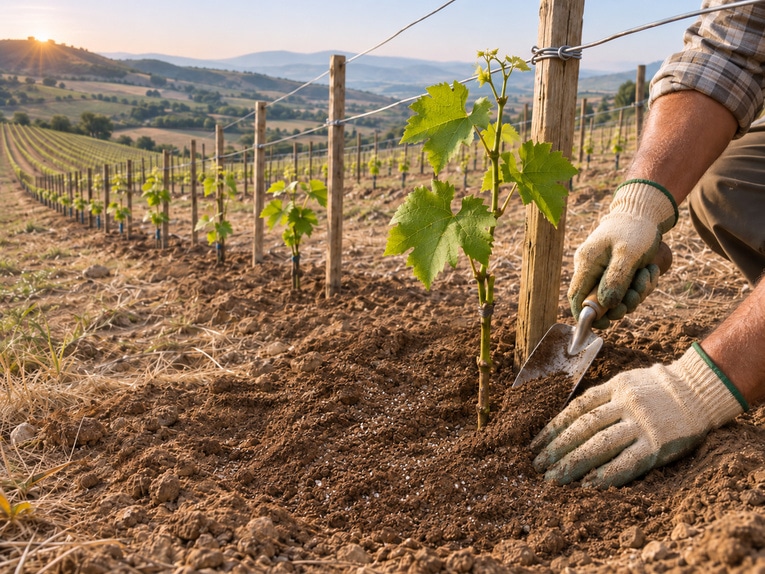
Establishing a vineyard begins with the first growing season after planting. Posts and wires provide the framework for training, while developing roots determine how young vines access water and nutrients. During this first season, regular attention to water supply supports root establishment and shoot growth. In dry weather, maintaining suitable moisture around the young roots becomes an important part of planting management.
Build moisture management into the backfill
After a vine is placed in its planting hole, the backfill becomes the soil into which its roots will expand. This stage offers an opportunity to measure and mix agricultural hydrogel into the intended root zone before backfilling. SOCO® Soil Hydrogel is used in seedling transplanting and can be blended with planting soil to support moisture management during establishment.
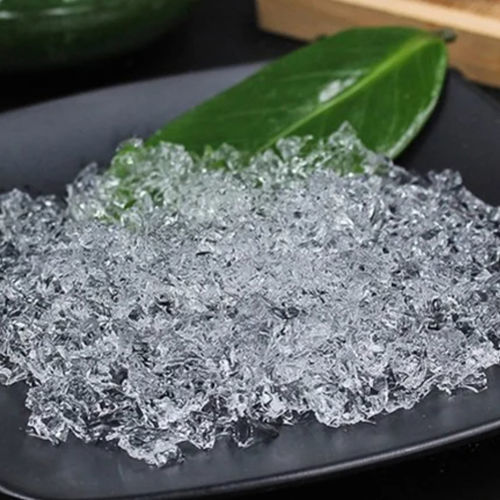
Agricultural hydrogel is a superabsorbent polymer, commonly called SAP. Its dry granules absorb water and swell into a gel. As the surrounding soil dries, some of the stored moisture can move back into the soil. In a new vineyard, this approach can be incorporated around the developing root zone and assessed under the site’s rainfall and irrigation conditions.
Measure the product and mix it evenly
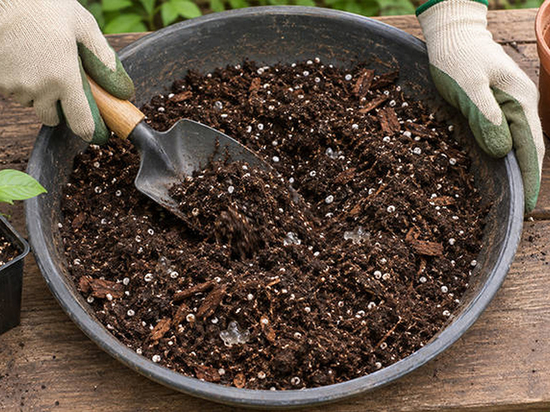
Determine the application rate using the instructions for the selected product, together with soil conditions, planting stock and the planned water supply. Add the measured dry SAP to the prepared soil in portions and mix thoroughly so that the particles are distributed through the backfill. Mixing before filling the hole also makes it easier to check the amount used for each vine. SOCO’s transplanting guidance emphasises even blending with soil.
Once planting is complete, water thoroughly so that moisture reaches the young root zone and hydrates the incorporated product. Adjust subsequent watering according to soil moisture, while maintaining suitable drainage around the planting area. Soil mixing, initial watering and drainage should all receive attention during the planting operation.
Continue checking moisture after planting
Water management continues throughout the first season. Select representative vines in different parts of the block and check moisture within the surrounding soil. Use these observations alongside rainfall and changing weather to plan the next watering event. Competitive vegetation also deserves attention as young vines become established, bringing moisture management into the wider vineyard maintenance programme.
For a vineyard using SAP for the first time, a small comparison area provides a practical starting point. Choose planting rows with similar conditions and keep the variety, planting stock, planting date and basic management consistent. Record the product applied per vine, rainfall and irrigation events, then check soil moisture at fixed locations. As the season progresses, add observations of vine survival, shoot length and growth uniformity to assess how the product fits the existing management programme.
Keep these application and crop records for future planting work. They provide site-specific information for discussing product rates, placement and watering arrangements with technical advisers.

 鄂公网安备42018502009514号