#Farm Machinery & Equipment
Sticky Rolls for Greenhouses: Yellow or Blue Against Thrips and Whiteflies?
Sticky rolls are widely used in professional greenhouses to monitor and capture flying pests.
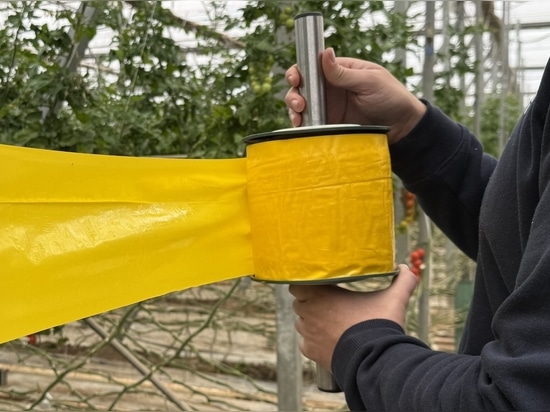
Unlike individual sticky cards, rolls create a continuous coloured surface along the crop rows, increasing the area available for trapping insects. Pests are attracted by the colour and remain attached to the adhesive surface.
The main decision growers usually face is whether to install yellow or blue sticky rolls. Both colours can be incorporated into an integrated pest management programme, but they are not designed for exactly the same purpose. The correct choice depends on the pest affecting the crop, the production stage and the trapping strategy used inside the greenhouse.
What is a greenhouse sticky roll?
A greenhouse sticky roll is a long adhesive band installed close to the plants. Professional products are commonly available in 100-metre rolls and in different widths, making it possible to adapt the system to the greenhouse layout, crop height and level of pest pressure.
The roll can be installed above the crop, between the rows or close to the upper section of the plants. Its position should be adjusted as the crop develops because many flying pests move around the youngest leaves, flowers and growing points.
Sticky rolls can be used for pest monitoring, but their large adhesive surface also makes them suitable for mass trapping. They should form part of a broader crop protection strategy that includes regular inspection, biological control, hygiene and other preventive measures.
When should a blue sticky roll be used?
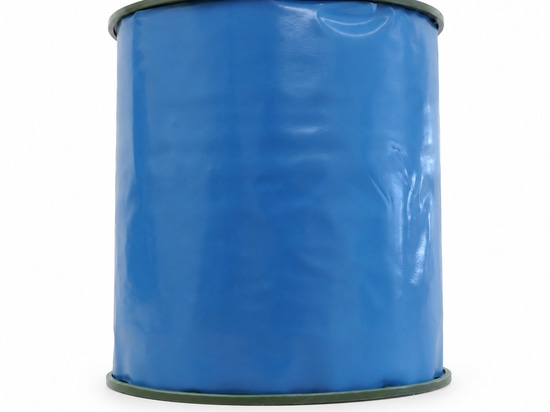
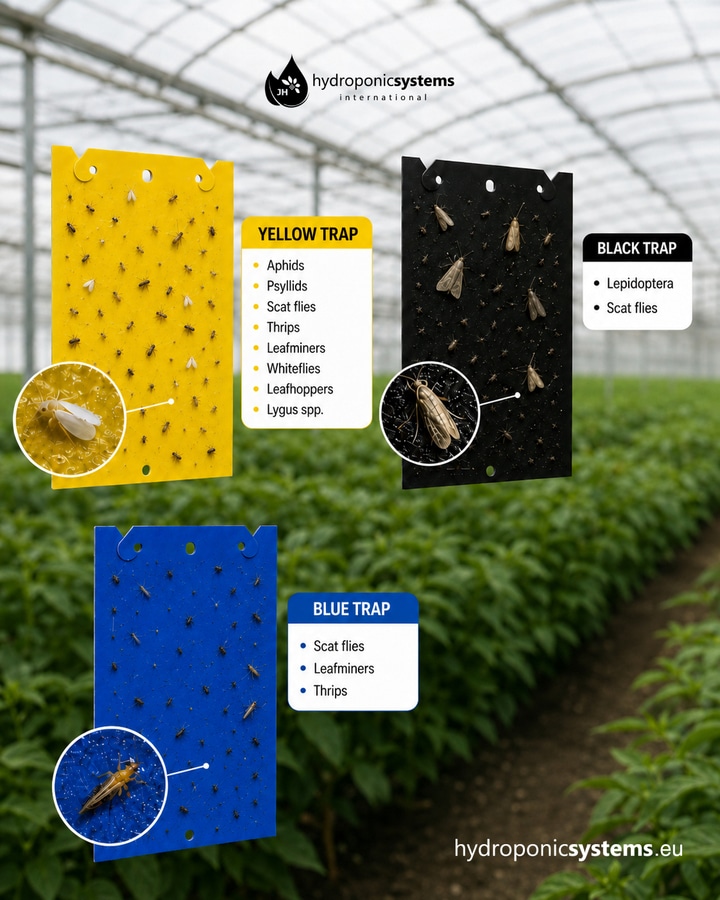
Blue sticky rolls are mainly used to monitor and capture thrips. These insects are very small and can be difficult to identify during the early stages of an infestation. They may damage leaves, flowers and fruits, and certain species can contribute to the transmission of plant viruses.
A blue roll creates a large visual and adhesive surface around the crop. This makes it particularly useful in greenhouse crops where thrips pressure is frequent, including pepper, cucumber, strawberry, ornamental plants and plant nurseries.
The blue roll should be installed before pest populations become difficult to control. Early installation allows the grower to detect changes in thrips activity and reinforce other control measures when necessary.
When should a yellow sticky roll be used?
Yellow sticky rolls are commonly used against whiteflies, winged aphids and other flying insects attracted to yellow surfaces. They offer a broader trapping colour and are frequently installed in greenhouses where several pest species may be present at the same time.
Whiteflies are especially important in tomato, cucumber, pepper, aubergine and ornamental crops. They feed on plant sap, weaken the crop and produce honeydew, which can encourage the development of sooty mould on leaves and fruits.
A yellow sticky roll can support early detection and population reduction by creating a continuous trapping surface along the crop. Its performance will depend on correct placement, adequate adhesive quality and integration with the other pest management measures used in the greenhouse.
Yellow or blue: which colour should growers choose?
The decision should begin with the main pest affecting the crop. Blue is normally selected when thrips are the priority, while yellow is commonly used against whiteflies, winged aphids and a wider range of flying insects.
Some growers install both colours in the same greenhouse. This allows them to monitor different pest populations during the same crop cycle and obtain a clearer picture of pest pressure in different areas.
The crop, season, local pest history and biological control programme should also be considered. Sticky rolls are not a replacement for beneficial insects or crop inspections, but they can reinforce an integrated strategy when they are correctly selected and installed.
What should be checked before buying?
The quality of the adhesive is one of the most important purchasing criteria. A professional sticky roll must maintain its trapping capacity despite heat, humidity, irrigation, dust and the daily work carried out inside the greenhouse.
The material should also retain its shape during installation. A roll that tears, stretches or deforms easily can be difficult to install along long crop rows and may lose effective trapping surface during use.
Growers should check the roll length, width, adhesive coverage, colour consistency and installation system before ordering. The required quantity will depend on the greenhouse area, row length, crop density and expected pest pressure.
European sticky rolls for professional greenhouses
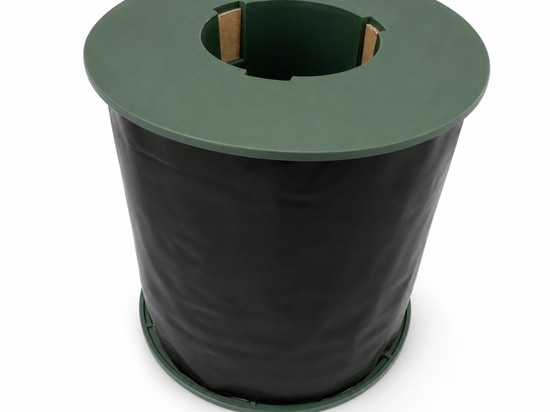
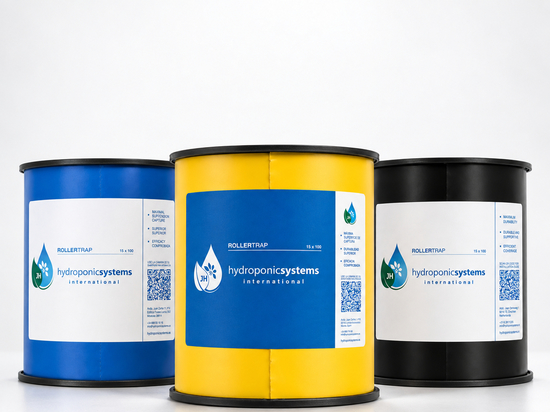
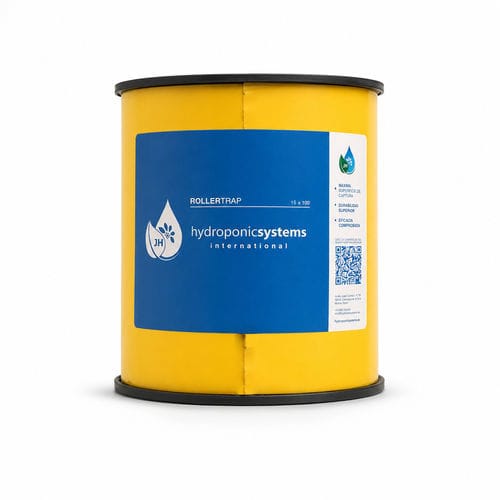
Hydroponic Systems supplies European-manufactured sticky rolls for pest monitoring and mass trapping in professional greenhouses. The rolls are manufactured from 100% polypropylene and are designed to maintain their shape during installation and throughout the crop cycle.
Yellow rolls are suitable for whiteflies, winged aphids and other flying pests. Blue rolls are intended mainly for thrips monitoring and capture. They are available in professional 100-metre formats and in different widths for commercial greenhouse applications.
These products are suitable for growers, greenhouse companies, agricultural distributors and international importers. The product pages in the marketplace provide information about available widths, packaging, prices and distribution conditions.