#Farm Machinery & Equipment
Disinfection of agricultural water with PHA: the solution for extending the service life of gutters and irrigation pipes
Producers rarely consider water as an agent that accelerates the deterioration of their infrastructure.
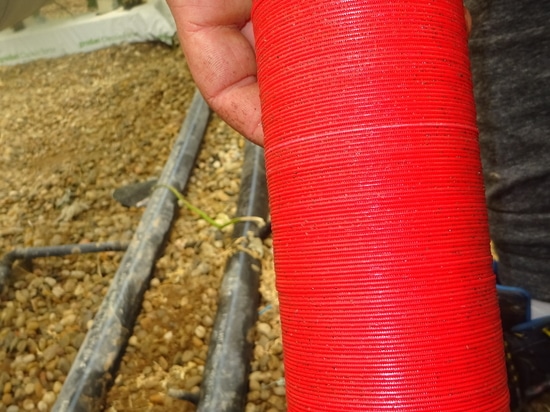
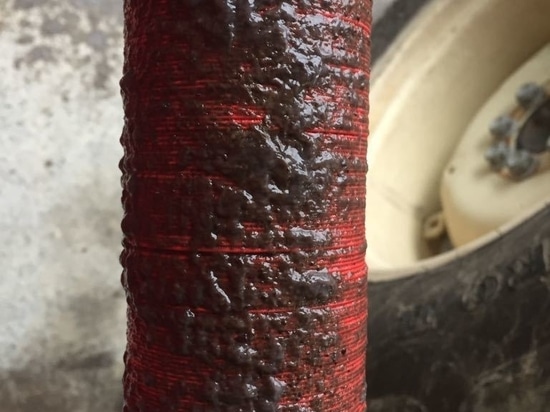
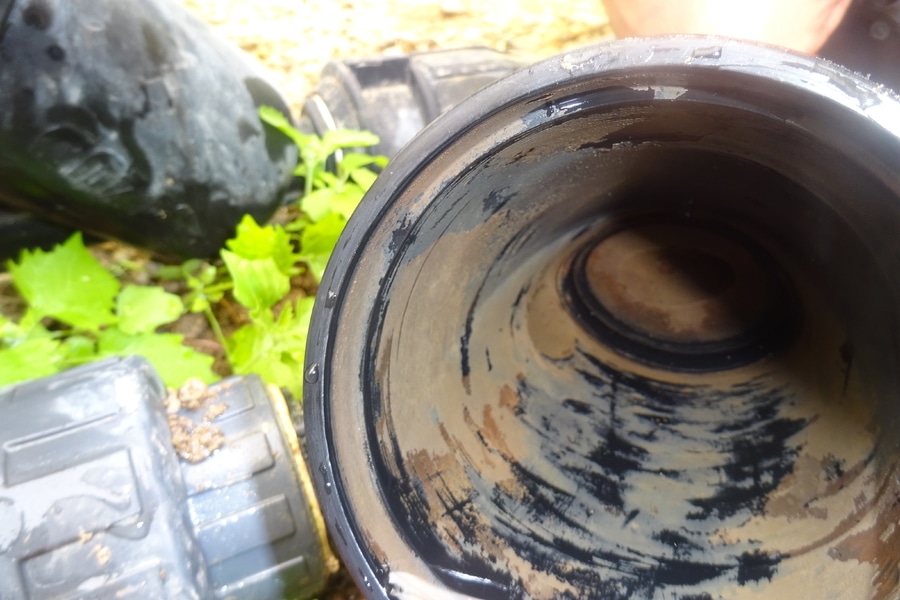
However, irrigation water can carry microorganisms, sediments and organic compounds that form biofilms inside gutters, drip systems, filters and pipes.
The real cost of not disinfecting irrigation water
This biofilm causes blockages, loss of irrigation uniformity and promotes biological corrosion processes that shorten the useful life of your irrigation systems. Installing a water disinfection system for agricultural use is not just a sanitary measure: it is an investment in the durability of your channels and pipes. What is pure hypochlorous acid (PHA) and why is it ideal for agriculture?
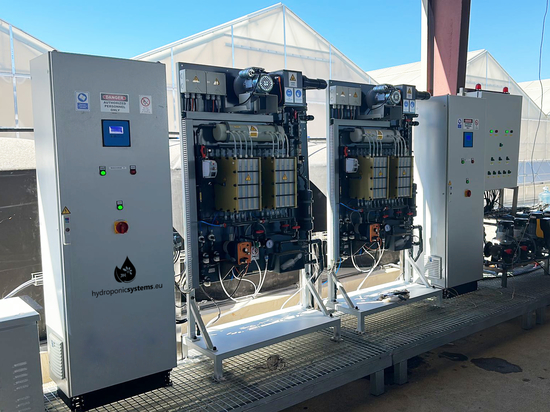
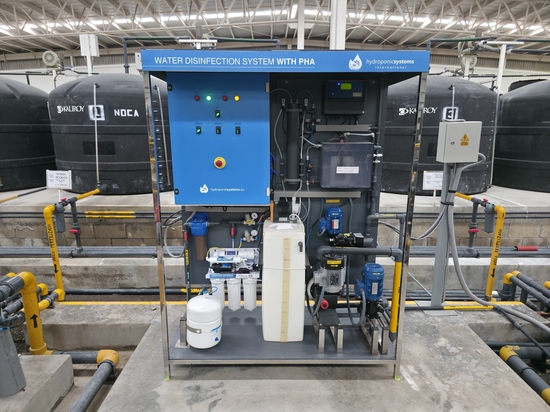
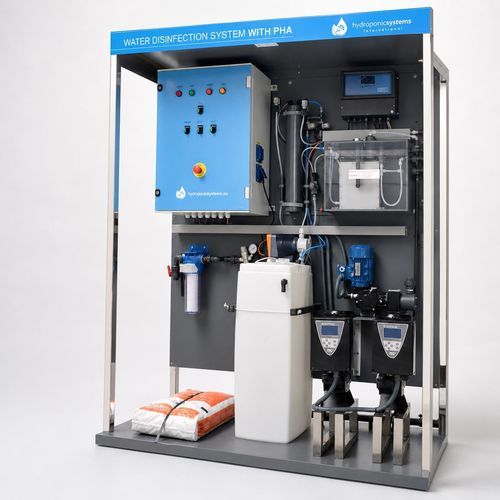
PHA (pure hypochlorous acid) is a broad-spectrum disinfectant that can be generated at low operating cost. Its main advantages for agricultural applications include:
• Highly effective against biofilms and pathogens (bacteria, fungi, algae, etc.), preventing plant diseases.
• Improves root health.
• Environmental disinfection in seedbeds.
• No corrosion on materials when applied with the appropriate parameters, compared to aggressive chemicals that can degrade plastics and metals.
• Continuous and controlled generation, allowing 24/7 treatment in recirculation systems.
• Compatible with organic crops.
For these reasons, PHA-based systems are particularly well suited to protecting channels, pipes and drip lines without subjecting them to treatments that weaken the material.
PHA plays a crucial role in protecting irrigation gutters and pipes, as it prevents the formation and spread of biofilms, which often trap particles and cause blockages in drippers and nozzles. By keeping internal surfaces clean, microbial fouling is minimised, reducing friction and localised corrosion. This ensures that pipes and drippers remain free of blockages, maintaining stable flow rates and irrigation uniformity, which is essential for avoiding water stress and variability in crop production.
In addition, the use of PHA significantly reduces the need for physical interventions such as mechanical cleaning, aggressive flushing, or premature replacement of pipe or channel sections. In arid climates, where pad-and-fan cooling systems are common, PHA also extends the service life of wet parts, providing farmers with a comprehensive solution that improves system durability and reduces maintenance costs.
Quick comparison: PHA versus other disinfection solutions
Before deciding which technology to implement, it is important to compare pure hypochlorous acid (PHA) with other common solutions for disinfecting irrigation water. Each method has advantages and limitations, and its effectiveness depends on both the quality of the water and the needs of each agricultural facility. Below is a quick comparison to understand why PHA is positioned as one of the safest and most sustainable alternatives for protecting channels, pipes, and drip irrigation systems.
• PHA: Effective against biofilm, on-site generation, continuous monitoring, lower impact on materials if dosed correctly, and compatible with beneficial microorganic treatments.
• Commercial chlorine/hypochlorite: Effective, but can generate chlorinated by-products that are toxic to crops and is corrosive to some plastics and seals.
• UV: Excellent as a pre-treatment, but does not remove biofilm adhered to surfaces or work in open circuits with sediments. If the pipe is dirty or infected downstream, UV-treated water becomes infected again. Requires filtered water without solids and clarified for good UV transmittance.
• Peroxides: Although recommended as an oxidant, its greatest benefit is oxygenation. At recommended doses, its oxidation power is limited, and at high doses it can detach layers of biofilm, clogging drippers. Biofilm is generated again after 15 days.
For installations with recirculation, external networks, and exposed gutters, PHA offers an ideal balance between efficiency and infrastructure compatibility.
Where is it particularly advisable to install a PHA system?
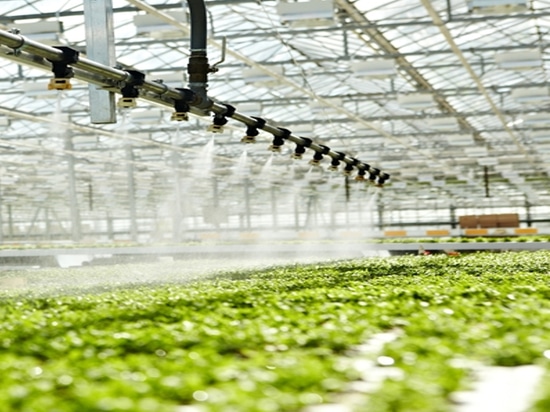
The installation of a PHA disinfection system is particularly recommended in greenhouses that recirculate drainage, as the risk of pathogen and biofilm accumulation is higher in this type of facility. It is also very useful in high-density crops, such as strawberries, cherry tomatoes or peppers, where uniform irrigation makes the difference between a profitable crop and a problematic one.
It is also an ideal solution for farms with a history of dripper clogging or frequent pipe replacements. By keeping pipes clean, PHA helps minimise premature replacement of metal or plastic gutters, extending the life of the infrastructure and optimising the initial investment in irrigation systems.
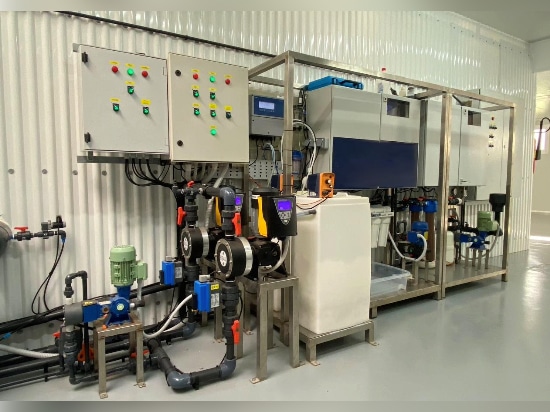
A correctly sized PHA system not only reduces the need for mechanical cleaning and intensive chemical washing, but also allows for remote monitoring, always with a fully automated installation tailored to each customer, in a simple way. This translates into a tangible return on investment: fewer pipe and gutter replacements, less labour dedicated to cleaning and minimal production downtime. In fact, in most commercial installations, the payback is achieved after just a few production cycles, although the exact dosage and sizing of the system must always be determined by a prior technical analysis of the water and the irrigation circuit.
In conclusion, disinfecting irrigation water with PHA is not just a hygiene measure: it is a smart strategy to protect investments in agricultural infrastructure. By preventing biofilm formation and accelerated corrosion, gutter and pipe systems maintain their performance for longer, reducing maintenance costs and extending their service life. For growers of high-value crops in open fields, greenhouses and tunnels, installing a PHA system ensures consistent irrigation, improved plant health and significant profitability in the medium term. If your farm suffers from blockages, corrosion or premature replacement of pipes and gutters, now is the time to take the step towards a definitive solution.