#Crops
The Role of Irrigation in Preventing Plant Diseases
Efficient irrigation management helps reduce plant stress, limits the spread of pathogens, and promotes balanced crop development throughout the growing season.
The Role of Irrigation in Preventing Plant Diseases
Irrigation is one of the most important factors in maintaining healthy, vigorous crops. A properly designed irrigation system and good water quality not only provide plants with the moisture they need for growth but also play a key role in preventing many plant diseases.
Efficient irrigation management helps reduce plant stress, limits the spread of pathogens, and promotes balanced crop development throughout the growing season.
The Importance of Irrigation for Plant Health
Water is essential for several vital plant processes, including:
Photosynthesis.
Nutrient transport.
Temperature regulation.
Cell growth.
However, both excessive and insufficient irrigation can weaken plants and increase their susceptibility to diseases caused by fungi, bacteria, and other pathogens.
Maintaining proper soil moisture is one of the most effective ways to keep plants healthy and productive.
Irrigation Practices That Help Prevent Plant Diseases
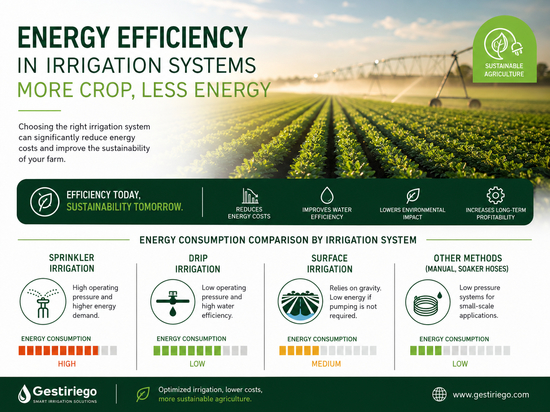
The irrigation method chosen has a direct impact on crop health.
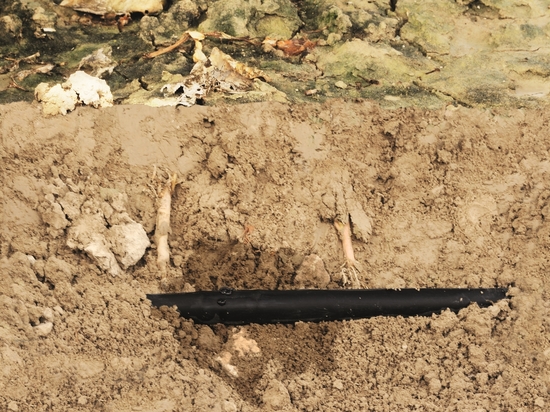
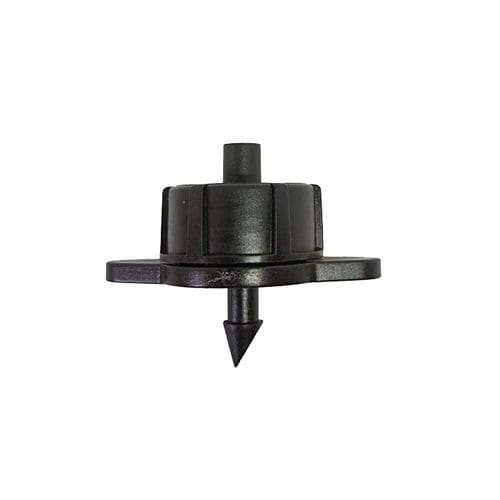
Drip irrigation is one of the most effective systems because it delivers water directly to the root zone without wetting the foliage.
This significantly reduces the risk of foliar diseases caused by prolonged moisture on leaves and stems.
In addition, irrigating during the early morning allows any surface moisture to dry quickly, reducing favorable conditions for fungal development.
The Importance of Proper Filtration
Water quality is another key factor in disease prevention.
An effective filtration system helps remove:
Suspended particles.
Sediment.
Organic matter.
Certain microorganisms present in the irrigation water.
Proper filtration also prevents emitter clogging, improves irrigation uniformity, and helps reduce the spread of waterborne pathogens.
Drainage as a Preventive Measure
Excess soil moisture creates ideal conditions for many root diseases.
For this reason, it is essential to:
Prevent waterlogging.
Ensure good soil drainage.
Maintain a proper balance between soil moisture and root-zone aeration.
Well-drained soils provide a much healthier environment for root development.
Adjust Irrigation to Crop Requirements
Crop water requirements vary according to:
Crop species.
Growth stage.
Weather conditions.
Soil type.
Adjusting irrigation frequency and duration according to these factors helps prevent water stress and improves the plant's natural resistance to disease.
Best Practices for Healthy Irrigation
Understand Crop Water Requirements
Each crop has different water needs.
Some plants require frequent irrigation, while others perform better when the soil is allowed to dry slightly between watering events.
Understanding these differences allows for more efficient irrigation management.
Adjust Irrigation Throughout the Year
Crop water demand changes with the seasons.
During warmer months, evapotranspiration increases, making more frequent irrigation necessary.
During cooler periods, irrigation should be reduced to prevent excessive soil moisture.
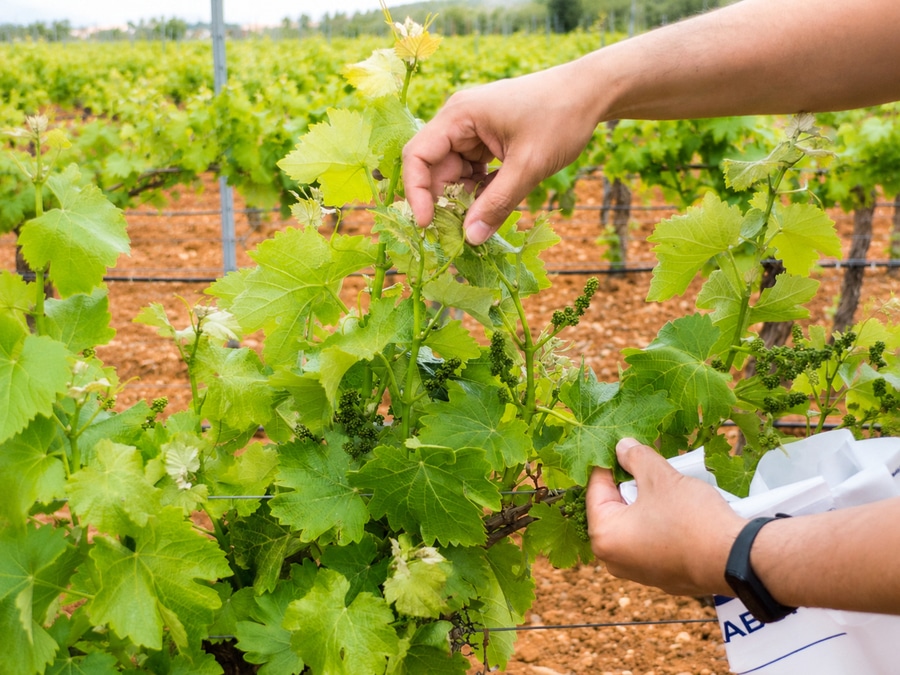
Monitor Soil and Crop Conditions
Regular crop monitoring provides valuable information.
Useful indicators include:
Soil moisture.
Leaf color and firmness.
Plant vigor.
Root development.
These observations make it possible to adjust irrigation before problems related to overwatering or underwatering occur.
Diseases Associated with Poor Irrigation Management
Improper irrigation practices can encourage the development of several plant diseases, including:
Root rot.
Downy mildew.
Powdery mildew.
Phytophthora.
Pythium.
Chlorosis caused by root damage.
Many of these diseases can be significantly reduced through proper irrigation management and effective soil drainage.
Benefits of Efficient Irrigation Management
A well-planned irrigation strategy offers numerous advantages:
Reduced disease risk.
Improved root development.
Greater water-use efficiency.
Better nutrient uptake.
More uniform crop growth.
Higher productivity.
Lower maintenance costs.
Best Practices for Disease Prevention Through Irrigation
To maintain healthy crops, it is recommended to:
Use irrigation systems that apply water directly to the root zone.
Keep filtration systems clean and properly maintained.
Prevent prolonged waterlogging.
Adjust irrigation according to climate conditions and crop growth stage.
Inspect the irrigation system regularly.
Monitor irrigation uniformity.
Conclusion
Proper irrigation management is one of the most effective tools for preventing plant diseases.
Combining an efficient irrigation system with proper water filtration, good drainage, and irrigation scheduling adapted to crop requirements helps reduce disease risk, improve plant health, and support more uniform, sustainable, and productive agricultural systems.