#Crops
Zucchini Cultivation (Cucurbita pepo)
A Complete Guide to Higher Yields with Efficient Irrigation
Zucchini (Cucurbita pepo) is one of the most rewarding crops to grow, but it is also one of the most demanding when it comes to water and nutrient management. If you've ever wondered why your fruits rot before reaching maturity or why your leaves become covered with white powder, you're in the right place.
At Gestiriego, we know that the difference between a plant that simply survives and one that delivers outstanding yields lies in precision. Discover our efficient irrigation solutions here.
What Is Zucchini Cultivation?
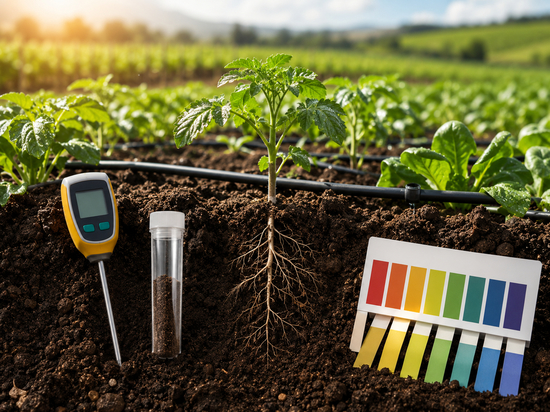
Zucchini cultivation involves growing an annual herbaceous plant belonging to the cucurbit family. It is characterized by its rapid growth, high sunlight requirements, and a root system that needs consistent soil moisture without becoming waterlogged, making it ideal for warm and temperate climates.
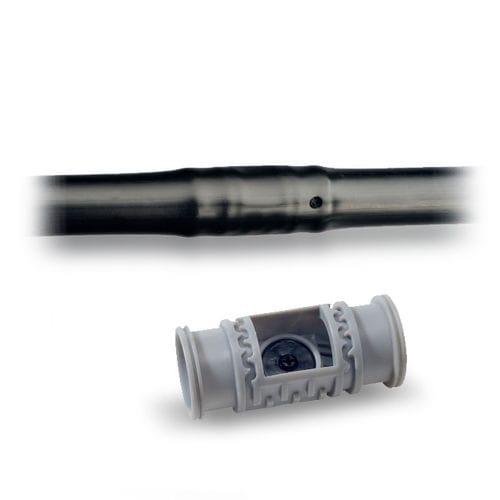
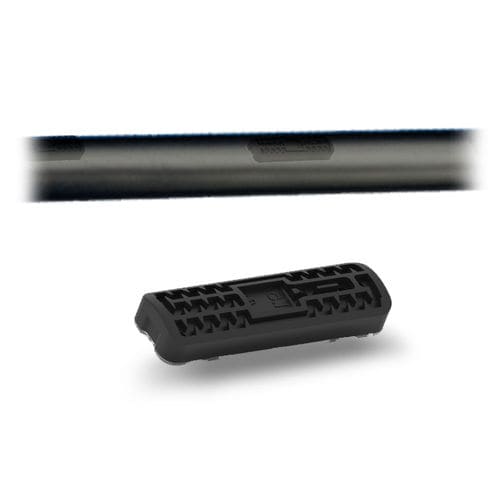
Discover TERRAM NEO Ø16!
1. Climate and Soil: The Starting Point
Zucchini is highly sensitive to cold temperatures. For successful germination, temperatures should range between 18°C and 28°C (64°F–82°F). If temperatures fall below 8°C (46°F), plant growth will stop.
Soil: Prefers deep, well-drained soils rich in organic matter.
Sunlight: Requires at least 6 to 8 hours of direct sunlight per day.
2. Planting: When and How to Start
Depending on your region, sowing is generally carried out between February and April in warm climates such as southern Spain, or from May onwards in central and northern regions.
Pro Tip: Use the correct planting spacing. Leave at least 1 meter (3.3 ft) between plants and 1.5 meters (5 ft) between rows. Zucchini plants require adequate airflow to reduce the risk of fungal diseases.
3. Efficient Irrigation: The Key to Success with Gestiriego
This is the most critical aspect of zucchini cultivation. Large leaves lose water rapidly through transpiration, meaning that poor irrigation management can lead to fruit abortion or the development of powdery mildew.
The Gestiriego Solution
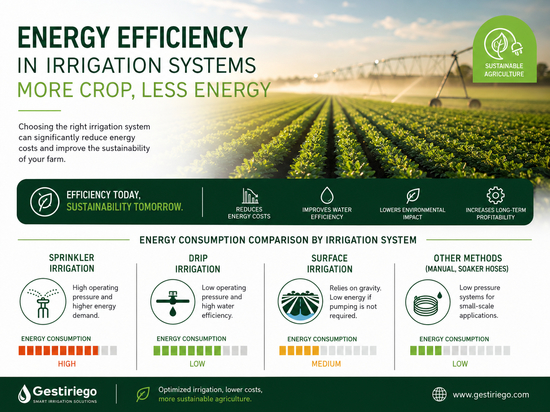
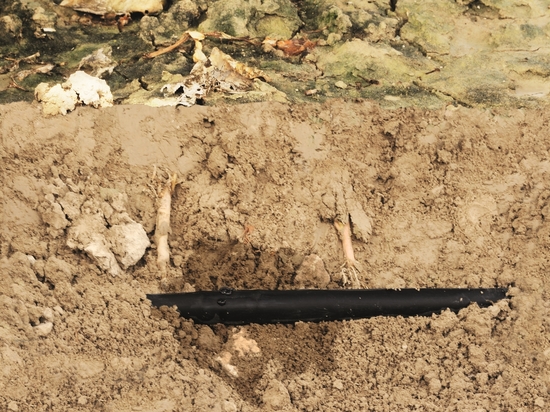
For zucchini cultivation, drip irrigation is essential. It keeps the root zone consistently moist without wetting the foliage, dramatically reducing fungal diseases while saving up to 40% of water.
Expert Insight: According to agronomic studies conducted in Almería (Spain), water stress during the flowering stage can reduce yields by up to 60%. Don't take unnecessary risks—optimize your irrigation system with Gestiriego technology.
4. Pollination: Why Aren't My Zucchinis Growing?
Sometimes plants produce many flowers but no fruit. This usually results from insufficient pollination.
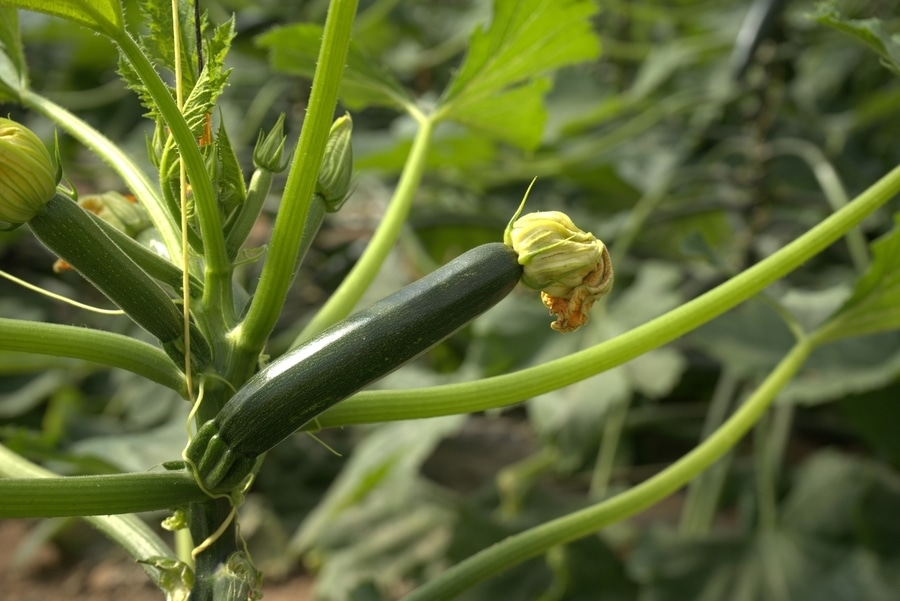
Zucchini plants produce both male flowers (thin stem) and female flowers (with a small zucchini at the base). If pollinator activity is low, manual pollination can be performed using a soft brush or by transferring pollen directly from the male flower to the stigma of the female flower.
5. Pest and Disease Management
Maintaining plant health is essential for successful zucchini production.
Problem Symptoms Recommended Solution
Powdery Mildew White powdery coating on leaves. Apply sulfur or systemic fungicides and improve ventilation.
Aphids Curled leaves and sticky honeydew. Potassium soap or neem oil treatments.
Whiteflies Small white insects fly up when the plant is disturbed. Yellow sticky traps and biological control methods.
Blossom End Rot The tip of the zucchini turns black. Correct calcium deficiency and regulate irrigation.
6. Vertical Training: Saving Space and Improving Plant Health
Although many zucchini varieties naturally grow along the ground, vertical trellising is becoming increasingly popular.
Supporting the plants vertically improves sunlight exposure, makes harvesting easier, enhances air circulation, and prevents fruits from remaining in contact with moist soil, reducing the risk of disease.
7. Harvesting: Timing Is Everything
Don't wait until zucchinis become oversized. Fruits offer the best flavor and texture when harvested at 15–20 cm (6–8 inches) in length.
Regular harvesting also encourages continuous flowering and fruit production. The more you harvest, the more the plant produces.
Discover TERRAM NEO Ø16!
Conclusion: Success Starts with Water
Zucchini cultivation can become one of the most productive and rewarding crops—or one of the most frustrating. The key to avoiding common problems and maximizing every plant lies in consistent irrigation management. A plant stressed by insufficient water will never reach its full productive potential.
At Gestiriego, we design irrigation solutions that care for your crops as much as you do. If you're looking to improve profitability, crop quality, and water efficiency, contact us today and transform the way you grow.