#Crops
How to Choose the Right Irrigation System for Your Crops
Before selecting an irrigation system, several factors should be evaluated, as they directly influence irrigation efficiency and crop performance.
How to Choose the Right Irrigation System for Your Crops
Choosing the right irrigation system is one of the most important decisions for ensuring the success of any agricultural operation. A properly designed irrigation system not only supplies crops with the right amount of water but also optimizes resource use, reduces production costs, and improves farm sustainability.
The best solution depends on factors such as crop type, soil characteristics, climate, and water availability.
Key Factors When Choosing an Irrigation System
Before selecting an irrigation system, several factors should be evaluated, as they directly influence irrigation efficiency and crop performance.
Soil Characteristics
Soil Type
Soil type determines water retention and infiltration capacity.
Clay soils retain moisture for longer periods.
Sandy soils drain rapidly and require more frequent, carefully controlled irrigation.
Loam soils generally provide the best balance between water retention and drainage.
Topography
Field slope has a significant impact on irrigation uniformity.
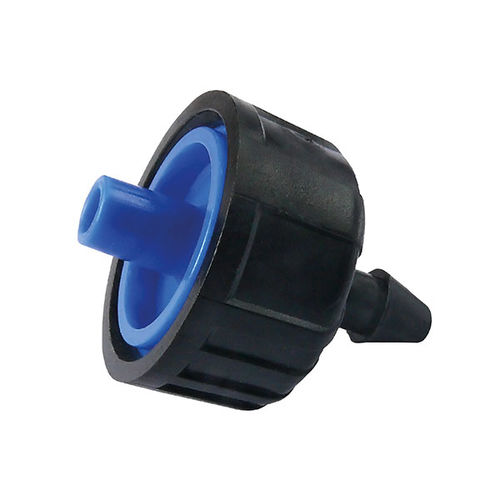
On uneven terrain, drip irrigation systems equipped with pressure-compensating emitters maintain consistent flow rates regardless of pressure variations.
Crop Type
Each crop has specific irrigation requirements.
Fruit Trees
Fruit trees require a consistent water supply, particularly during vegetative growth, flowering, and fruit development.
Drip irrigation maintains uniform soil moisture within the root zone and helps maximize fruit production.
Vineyards
In vineyards, drip irrigation allows precise control of water application throughout each phenological stage, improving grape quality and yield.
Vegetables
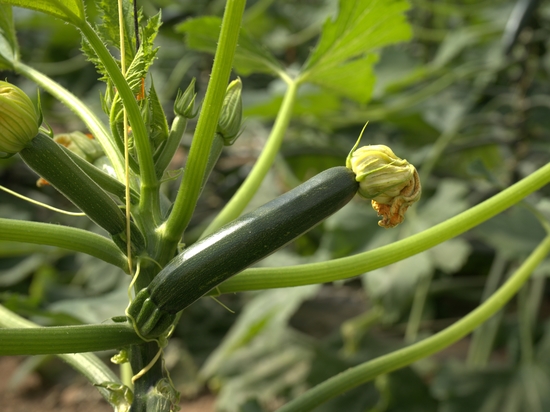
Vegetable crops generally respond very well to localized irrigation, which maintains consistent soil moisture while minimizing evaporation losses.
Climate Conditions
Climate influences both irrigation frequency and water requirements.
Temperature and Humidity
In hot, dry climates, irrigation systems that minimize evaporation losses, such as drip irrigation, provide the greatest efficiency.
In humid regions, irrigation scheduling should be adjusted to prevent excessive soil moisture.
Wind
Strong winds can reduce irrigation efficiency in certain systems.
Under these conditions, drip irrigation provides superior performance by applying water directly to the root zone.
Water Availability and Quality
Both the quantity and quality of available water influence irrigation system design.
Where water resources are limited, high-efficiency irrigation systems combined with appropriate filtration are essential to ensure reliable long-term operation.
Types of Irrigation Systems
There is no universal irrigation system suitable for every farming operation.
The most appropriate solution depends on the specific needs of the crop and field conditions.
Drip Irrigation
Drip irrigation is one of the most efficient irrigation methods currently available.
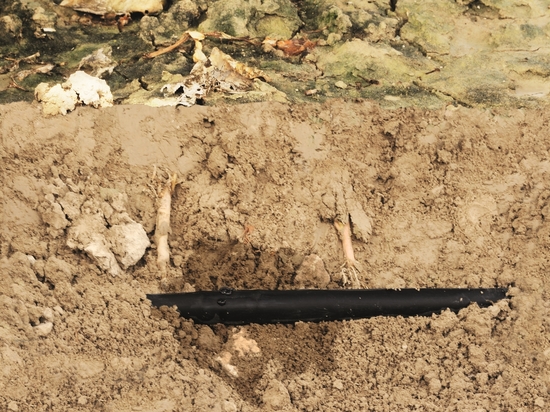
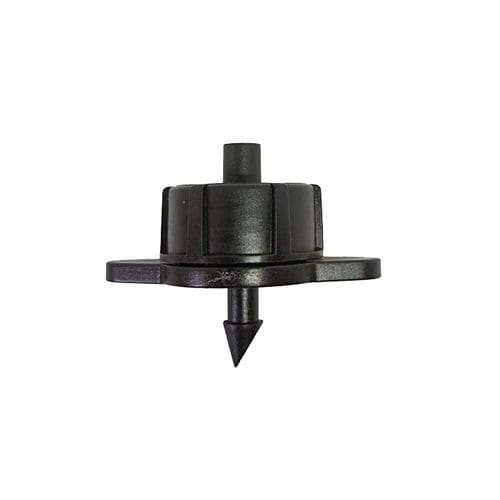
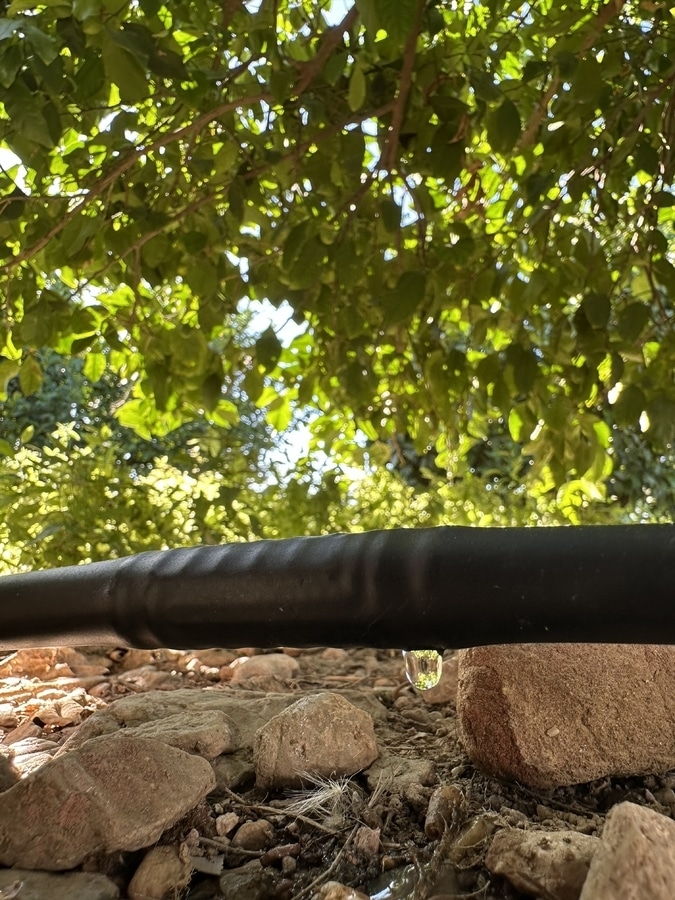
It delivers water directly to the active root zone through emitters, minimizing evaporation losses and providing highly accurate irrigation management.
It is particularly suitable for:
Fruit trees.
Vineyards.
Vegetable crops.
Intensive farming systems.
Main Advantages
Maximum water-use efficiency.
Uniform water distribution.
Fully compatible with fertigation.
Reduced weed growth.
Lower incidence of diseases associated with wet foliage.
Micro-Sprinkler Irrigation
Micro-sprinkler irrigation distributes fine droplets close to the ground, creating a larger wetted area than conventional drip irrigation.
It is particularly suitable for:
Young orchards.
Fruit trees.
Crops requiring a wider wetted root zone.
Surface Flood Irrigation
Flood irrigation is one of the oldest irrigation methods.
It is generally limited to flat fields with soils that have high water-holding capacity.
Although installation costs are relatively low, its water-use efficiency is significantly lower than that of localized irrigation systems.
Irrigation Efficiency and Costs
The efficiency of an irrigation system depends not only on water consumption but also on installation, operation, and maintenance costs.
Installation Costs
Localized irrigation systems generally require a higher initial investment.
However, this investment is often recovered through:
Reduced water consumption.
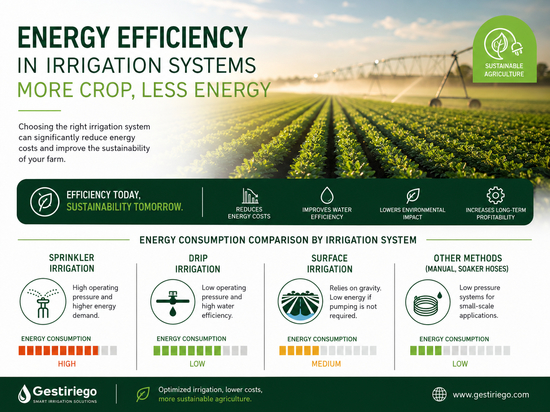
Lower energy costs.
Increased crop productivity.
Reduced long-term operating expenses.
Operating Costs
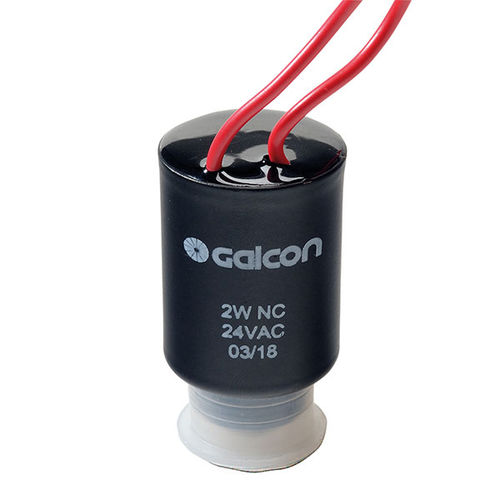
Automation, irrigation controllers, and smart monitoring technologies significantly improve irrigation efficiency while reducing labor and energy requirements.
Irrigation Technology
Modern agriculture increasingly relies on advanced technologies to improve irrigation management.
Automation
Irrigation controllers allow watering schedules to be programmed according to crop requirements, preventing both under-irrigation and over-irrigation.
Soil Moisture Sensors
Soil moisture sensors continuously monitor water availability within the root zone, allowing irrigation to be applied only when necessary.
Weather Monitoring
Integrating weather data enables irrigation schedules to automatically adapt to changing environmental conditions, improving overall water-use efficiency.
Benefits of Choosing the Right Irrigation System
Selecting the most suitable irrigation system provides numerous advantages:
Greater water-use efficiency.
Reduced operating costs.
Improved root development.
Better irrigation uniformity.
Increased crop productivity.
Higher crop quality.
Improved environmental sustainability.
Factors to Consider Before Installation
Before designing an irrigation system, several aspects should be evaluated:
Soil type.
Water quality.
Crop water requirements.
Field topography.
Available flow rate and pressure.
Automation requirements.
Proper planning ensures greater efficiency, longer system lifespan, and improved long-term performance.
Conclusion
Selecting the right irrigation system is a strategic investment for any agricultural operation.
Evaluating crop requirements, soil conditions, climate, and water availability makes it possible to choose the most efficient and sustainable irrigation solution.
A properly designed irrigation system improves irrigation uniformity, optimizes water consumption, reduces operating costs, and contributes to higher yields and better crop quality over the long term.