#Crops
Organic Farming
Efficient Irrigation for Sustainable Agriculture
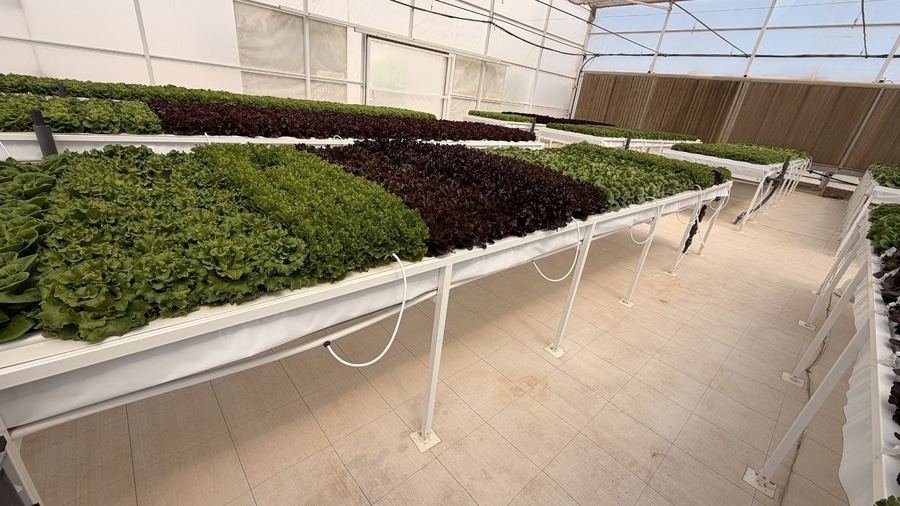
Organic farming is based on producing healthy crops while respecting natural resources and preserving the balance of ecosystems. Among all the factors that determine the success of an organic farming operation, efficient water management plays a fundamental role.
Combining sustainable agricultural practices with properly designed irrigation systems helps improve water-use efficiency, maintain soil health, and achieve consistent, high-quality crop production.
What Is Organic Farming?
Organic farming is an agricultural production system that promotes biodiversity, biological cycles, and soil fertility while minimizing environmental impact.
Its main principles include:
Avoiding the use of synthetic pesticides and chemical fertilizers.
Encouraging biodiversity through crop rotation and the use of locally adapted varieties.
Conserving natural resources such as soil and water through sustainable farming practices.
The goal is to produce healthy food while protecting the environment and preserving agricultural resources for future generations.
The Importance of Irrigation in Organic Farming
Water management is one of the most important aspects of organic crop production.
A well-designed irrigation system contributes to:
Optimizing water use by supplying only the amount required by the crop.
Preserving soil structure and preventing erosion.
Reducing nutrient losses caused by excessive irrigation.
Maintaining healthy root development.
Improving crop productivity and product quality.
Efficient irrigation also helps reduce water consumption while increasing overall farm sustainability.
Irrigation Methods Used in Organic Farming
Selecting the appropriate irrigation method depends on the crop, soil characteristics, climate, and water availability.
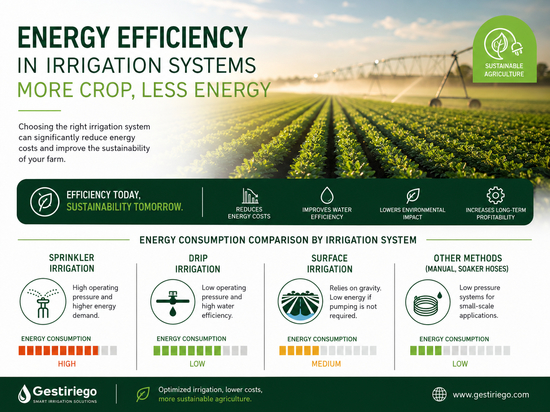
Irrigation Method Advantages Limitations Recommended Crops
Drip Irrigation Maximum water-use efficiency, minimal evaporation, precise root-zone irrigation Higher initial investment Vegetables, fruit trees, vineyards
Sprinkler Irrigation Covers large areas and simulates natural rainfall Higher evaporation losses and reduced efficiency under windy conditions Cereals, forage crops, vegetables
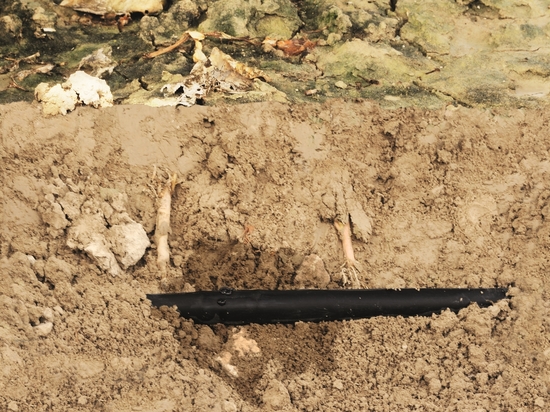
Subsurface Drip Irrigation Minimal evaporation and stable soil moisture Higher installation cost and technical complexity Orchards, vineyards, perennial crops
Manual Irrigation Full control over water application Labor-intensive and unsuitable for large areas Small gardens and home orchards
Irrigation Solutions for Organic Farming
Modern irrigation technology makes it possible to improve efficiency while reducing water consumption.
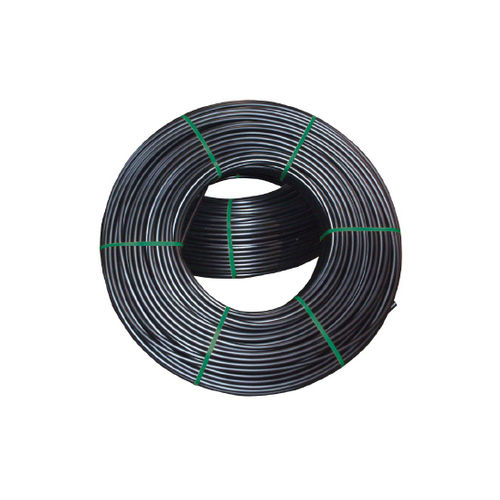
Polyethylene Irrigation Pipes
High-quality polyethylene pipes provide reliable water distribution and long service life, making them suitable for drip irrigation and micro-irrigation systems.
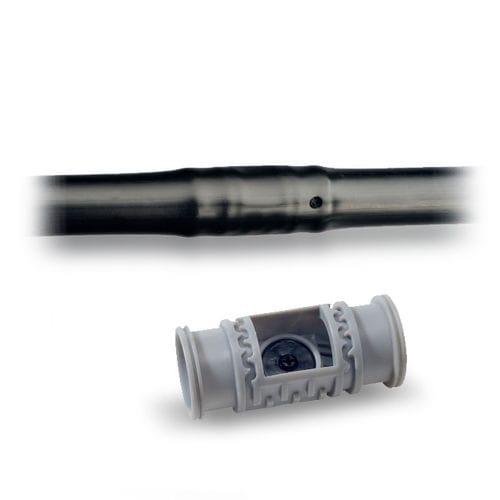
Pressure-Compensating Emitters
Pressure-compensating drippers maintain a constant flow rate regardless of pressure fluctuations within the irrigation network.
This ensures that every plant receives the same amount of water, even on uneven terrain or in long irrigation lines.
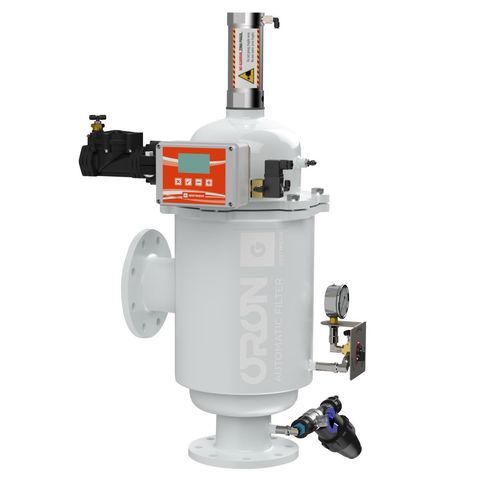
Irrigation Filtration
Effective filtration protects the irrigation system from clogging and guarantees consistent water delivery.
Automatic screen, disc, and sand filters are commonly used depending on water quality and system requirements.
Proper filtration also extends the lifespan of irrigation equipment while reducing maintenance needs.
Planning an Irrigation System for Organic Farming
Several factors should be evaluated before installing an irrigation system.
Soil Analysis
Understanding soil texture, water-holding capacity, infiltration rate, and drainage characteristics is essential for proper irrigation design.
Selecting the Irrigation Method
The irrigation system should be chosen according to:
Crop requirements.
Climate conditions.
Water availability.
Soil characteristics.
Farm management objectives.
System Maintenance
Regular maintenance ensures long-term performance and irrigation efficiency.
Preventive maintenance typically includes:
Cleaning filtration systems.
Flushing irrigation lines.
Inspecting emitters and valves.
Monitoring operating pressure.
Verifying irrigation uniformity.
Benefits of Combining Efficient Irrigation with Organic Farming
Integrating efficient irrigation systems into organic farming provides significant environmental and economic benefits.
Water Conservation
Drip irrigation can reduce water consumption by up to 60% compared to traditional irrigation methods.
Improved Soil Health
Precise irrigation minimizes erosion, prevents waterlogging, and helps preserve soil structure and biological activity.
Higher Crop Productivity
Maintaining optimal soil moisture throughout the growing season promotes healthier plant development and more consistent yields.
Improved Nutrient Efficiency
Accurate water application reduces nutrient leaching and allows plants to absorb nutrients more efficiently.
Greater Environmental Sustainability
Efficient irrigation contributes to lower water consumption, reduced energy use, and more sustainable agricultural production.
Frequently Asked Questions
Which irrigation system is the most cost-effective for organic farming?
Although drip irrigation generally requires a higher initial investment than traditional systems, it is often the most economical solution over the long term due to significant water savings, reduced labor requirements, and improved crop productivity.
How does water quality affect organic farming?
Water quality directly influences irrigation system performance, soil health, and crop development.
High salinity, suspended solids, iron, or other contaminants can reduce irrigation efficiency and negatively affect plant growth if not properly managed.
What requirements must irrigation systems meet in organic farming?
Organic production standards generally require sustainable water management practices, including responsible water use and compliance with regulations regarding irrigation water quality.
Proper irrigation management also supports soil conservation and environmental protection, which are key principles of organic agriculture.
Conclusion
Efficient irrigation is an essential component of successful organic farming.
Selecting the appropriate irrigation method, designing the system according to soil and crop requirements, and maintaining the installation correctly all contribute to better water-use efficiency, healthier soils, and more sustainable agricultural production.
By integrating modern irrigation technology with environmentally responsible farming practices, growers can improve productivity while preserving natural resources for future generations.