#Crops
How Long Does a Drip Irrigation System Last?
Service Life, Key Factors, and Maintenance
Drip irrigation is one of the most efficient solutions for conserving water while maintaining uniform irrigation in agricultural crops and landscaped areas. One of the most common questions among growers is how long a drip irrigation system can last and what can be done to extend its service life without significantly increasing maintenance costs.
The answer depends on several factors, including material quality, system design, water quality, operating conditions, and the maintenance carried out throughout the system's lifetime.
Service Life of a Drip Irrigation System
The lifespan of a drip irrigation installation varies depending on the type of irrigation line or tubing used.
As a general guideline:
6–10 mil drip tape: approximately one growing season, occasionally up to two seasons under favorable conditions.
15 mil drip tape: between 3 and 7 growing seasons with proper filtration and storage.
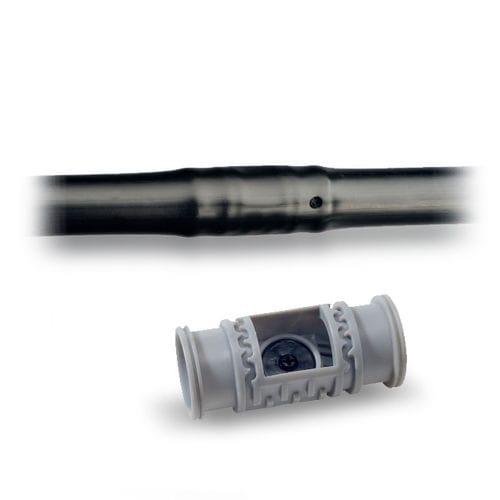
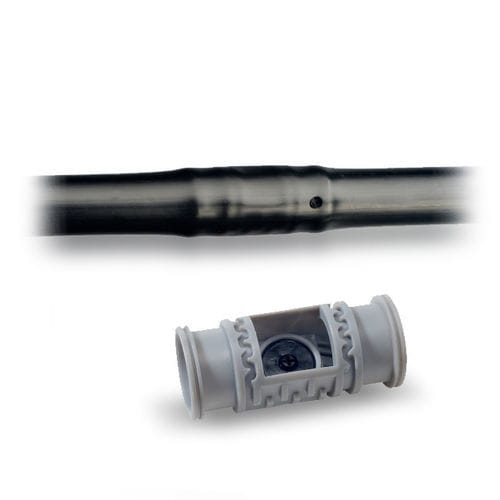
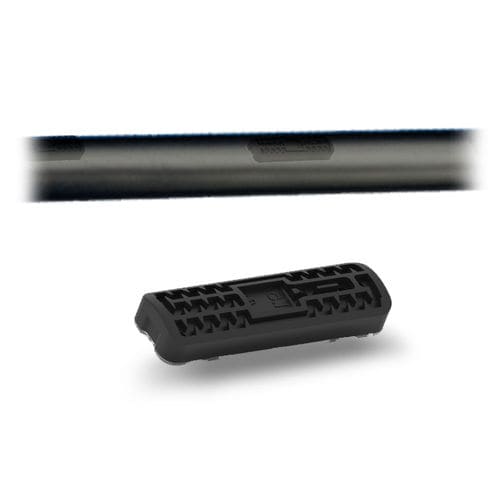
Heavy-wall dripline with integrated emitters: 7 to more than 15 years.
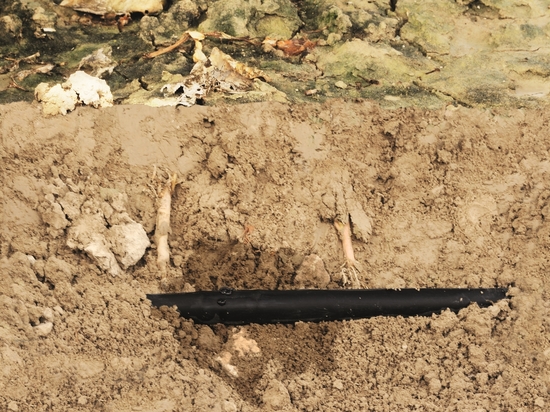
Subsurface Drip Irrigation (SDI): 12 to more than 20 years when preventive maintenance is properly implemented.
Actual service life depends on material thickness, manufacturing quality, filtration efficiency, operating pressure, water quality, and maintenance practices.
Key Factors That Determine Service Life
Materials and System Design
The thickness of the irrigation tubing, UV protection, and emitter quality are among the primary factors influencing durability.
Pressure-compensating emitters maintain uniform water distribution even under varying pressure conditions or uneven terrain.
In subsurface drip irrigation systems, reduced exposure to sunlight and mechanical damage increases longevity, although careful monitoring of root intrusion and water quality remains essential.
Water Quality and Filtration
Suspended solids, carbonates, iron, and organic matter can all contribute to emitter clogging.
For this reason, an appropriate filtration system is essential. Depending on water quality, screen filters, disc filters, or sand media filters may be required.
In some cases, periodic chlorination or acidification treatments are recommended to control biofilm formation and mineral deposits.
System Operation and Maintenance
Operating within the recommended pressure range helps prevent unnecessary stress on the irrigation network.
Routine flushing of laterals and regular filter cleaning minimize sediment accumulation and maintain irrigation uniformity.
Preventive maintenance also helps reduce clogging caused by microorganisms and mineral scaling.
Environmental Conditions
Continuous exposure to sunlight, rodent damage, mechanical operations, and seasonal storage conditions all influence the overall lifespan of a drip irrigation system.
Expected Service Life by System Type
System Type Typical Application Expected Service Life Key Notes
6–10 mil drip tape Annual vegetable crops 1 growing season Economical and easy to install.
12 mil drip tape Reusable vegetable production 2–4 growing seasons Highly dependent on maintenance and water quality.
15 mil drip tape Semi-permanent cropping systems 3–7 growing seasons Requires effective filtration for long-term use.
Heavy-wall dripline Orchards, vineyards, landscaping 7–15+ years UV protection and pressure-compensating emitters increase durability.
Subsurface Drip Irrigation (SDI) Permanent and field crops 12–20+ years Less environmental exposure but requires preventive maintenance.
Expected Lifespan of Individual Components
Different components within a drip irrigation system have varying service lives.
Component Typical Service Life Maintenance Recommendation
6–10 mil drip tape 1 season Replace after harvest.
12–15 mil drip tape 2–7 seasons Inspect annually for cracks and flow consistency.
Heavy-wall dripline 7–15+ years Check irrigation uniformity every year.
Screen or disc filters More than 10 years Replace filter elements as they wear.
Sand media filters 10–15 years Replace filter media every 3–5 years.
Valves and pressure regulators 5–10 years Inspect and calibrate periodically.
Main PE or PVC pipelines 15–25 years Protect from UV exposure and mechanical damage whenever possible.
Maintenance Practices That Extend System Life
A preventive maintenance program can significantly increase the lifespan of any drip irrigation installation.
Recommended maintenance includes:
Inspecting and cleaning filters regularly throughout the irrigation season.
Flushing irrigation laterals to remove accumulated sediment.
Performing chlorination treatments whenever biofilm development is detected.
Applying acidification treatments when mineral deposits become a concern.
Draining, cleaning, and properly storing removable irrigation lines between seasons when applicable.
Verifying operating pressure and irrigation uniformity before each new season.
With proper preventive maintenance, surface drip irrigation systems can significantly extend their operational life, while well-managed subsurface drip irrigation systems may remain productive for more than two decades.
Signs That a System Should Be Replaced
Several indicators may suggest that a drip irrigation system has reached the end of its useful life:
Persistent reduction in flow rate after cleaning procedures.
Uneven water distribution among emitters.
Increasing pressure losses across the filtration system.
Frequent cracks, leaks, or mechanical failures.
Root intrusion in subsurface irrigation systems.
Irrigation uniformity falling below acceptable performance levels.
Best Practices for Maximizing Service Life
Long-term durability begins with proper system design.
Before installation, it is important to evaluate water quality, select the appropriate filtration system, and properly size flow rates, operating pressure, and emitter spacing according to crop requirements and field conditions.
Once the system is operational, combining preventive maintenance, proper pressure management, and regular irrigation uniformity evaluations will reduce failures, minimize replacement costs, and maintain high hydraulic efficiency throughout the system's lifespan.
Conclusion
The service life of a drip irrigation system depends not only on the materials used but also on hydraulic design, water quality, operating conditions, and ongoing maintenance.
When these factors are properly managed, a drip irrigation system can maintain excellent irrigation uniformity for many years, improving water-use efficiency, reducing operating costs, and supporting more sustainable agricultural production.