#Crops
Apricot Cultivation
A Complete Guide
Complete Guide to Apricot Cultivation
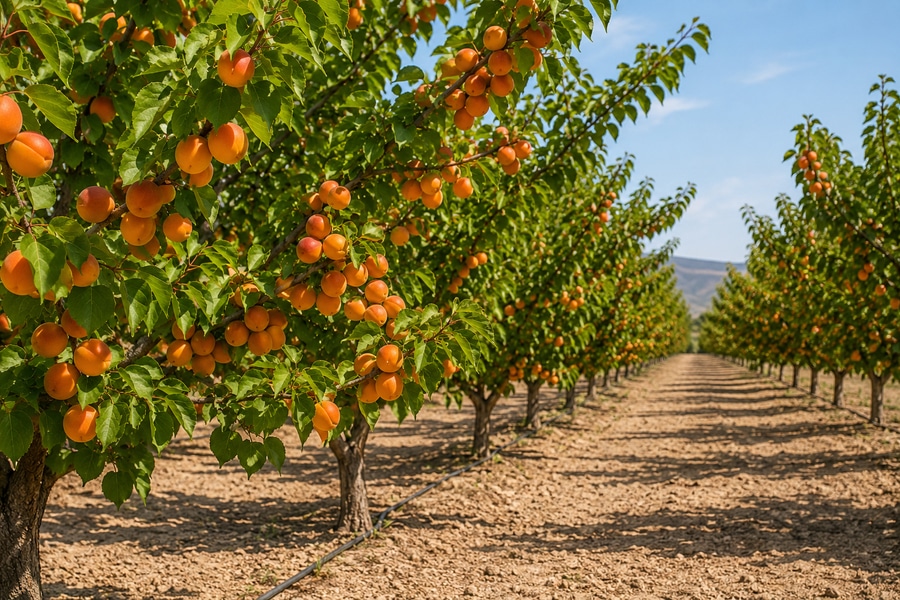
The apricot is an ideal fruit tree for Mediterranean regions. It offers excellent commercial potential, is highly valued by consumers, and performs exceptionally well when managed with drip irrigation. The key to success lies in selecting the right site, managing water efficiently, and using a reliable irrigation system.
Apricot Growing Requirements: Climate, Soil, and Sunlight
The apricot tree (Prunus armeniaca) is a vigorous species with a broad canopy and a deep root system. To achieve its full productive potential, several environmental factors should be considered.
Soil
Ideal soils are deep, well-drained loam or sandy loam.
Avoid heavy, waterlogged, or excessively cold soils.
Recommended pH ranges from 6 to 8. Apricot trees tolerate moderate limestone content and slight salinity.
Climate
Requires winter chilling hours (approximately 300–1,000 hours below 7°C, depending on the variety).
Highly susceptible to late spring frosts during flowering.
Performs best in sunny, well-ventilated Mediterranean climates.
Sunlight
Apricot is a crop with high sunlight requirements.
Greater sunlight exposure results in:
Better fruit coloration.
Higher sugar content.
Improved flavor and fruit quality.
Water Management: Why Drip Irrigation Is the Best Solution
Although apricot trees are more drought-tolerant than many other fruit crops, efficient irrigation management is essential for achieving consistent, profitable production.
Typical annual water requirements range between 500 and 700 mm, depending on climate and soil conditions.
The most critical irrigation stages include:
Flowering
Fruit set
Fruit development
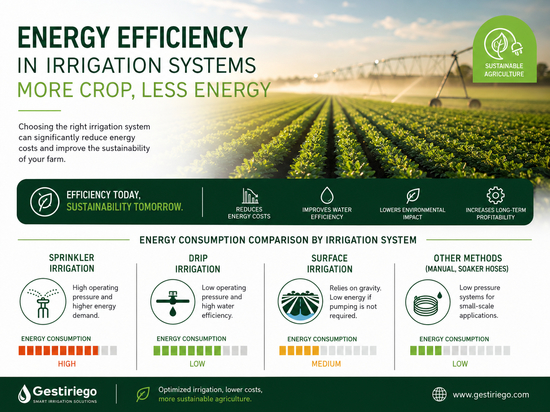
Advantages of Drip Irrigation
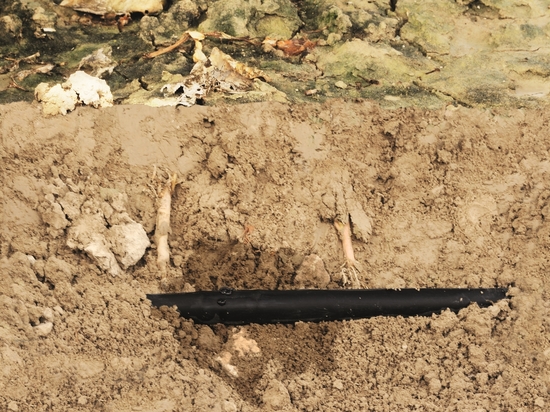
Water is delivered directly to the root zone, maximizing water-use efficiency.
Uniform irrigation across all trees and rows.
Reduced risk of diseases associated with excessive moisture on leaves and fruit.
Precise control of soil moisture throughout each growth stage.
Accurate fertigation management.
Gestiriego Drip Irrigation Solutions for Apricot Orchards
Gestiriego offers a complete range of drip irrigation pipes and accessories suitable for every type of apricot plantation.
Pressure-Compensating Dripline
Recommended for orchards with slopes or uneven terrain.
Advantages include:
Uniform flow rate regardless of pressure variations.
Ideal for hillside orchards and irregular fields.
Turbulent Flow Dripline
Suitable for flat terrain.
Offers:
Reliable performance.
High efficiency.
Excellent cost-effectiveness.
Plain Polyethylene Pipe and Drip Tape
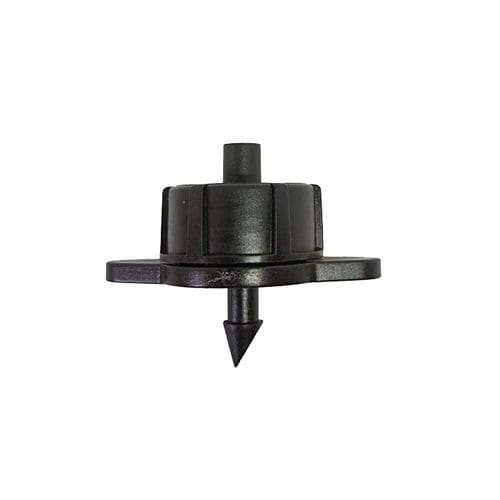
Plain pipe with punched-in emitters
Ideal for customized or expandable irrigation installations.
Drip tape
Recommended for nurseries or temporary irrigation in young orchards.
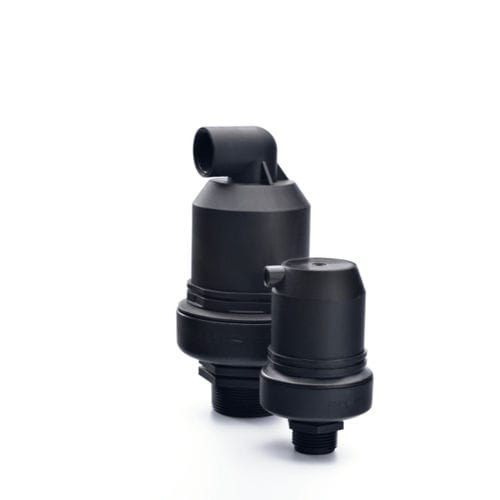
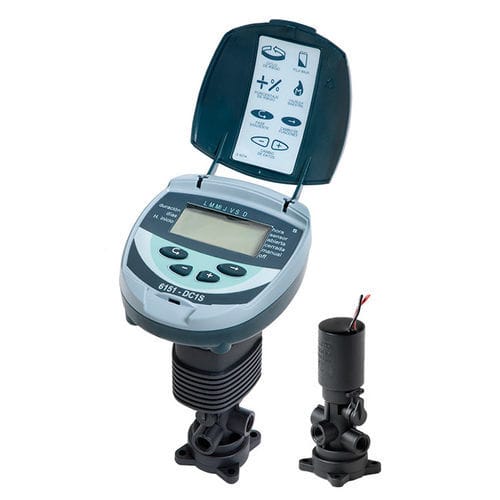
The irrigation system can be complemented with filters, valves, air-release valves, fittings, and fertigation equipment to ensure reliable long-term performance.
Planting and Orchard Management
Rootstocks
Almond rootstock: Recommended for dry, calcareous soils.
Plum or peach rootstocks: Better suited to cooler, lighter soils.
Planting Density
Typical spacing ranges from:
4 × 4 m
6 × 5 m
depending on tree vigor and training system.
Traditional orchards usually contain 300–400 trees per hectare.
Soil Preparation
Deep ripping to eliminate compacted layers.
Incorporate well-decomposed organic matter.
Analyze soil and irrigation water before designing the irrigation and fertigation system.
Fertigation
Nutrient applications should be adjusted according to each growth stage:
Bud break
Vegetative growth
Fruit set
Fruit enlargement
Post-harvest
Calcium, magnesium, and micronutrients should also be supplied as required.
Varieties and Crop Health
Common apricot varieties grown in Spain include:
Búlida
Canino
Galta Roja
Moniquí
Currot
Paviot
Late-season varieties are increasingly used to extend the harvest period.
Variety selection should consider:
Climate
Frost risk
Marketing window
Main Diseases and Pests
Sharka (Plum Pox Virus)
One of the most serious diseases affecting apricot.
Management includes:
Certified planting material.
Removal of infected trees.
Capnodis (Flatheaded Root Borer)
Attacks the roots and crown of the tree.
Damage is more severe in drought-stressed orchards, highlighting the importance of stable irrigation.
Brown Rot (Monilinia spp.)
A fungal disease affecting shoots and fruit.
Control measures include:
Proper pruning to improve ventilation.
Removal of mummified fruit.
Avoiding excessive moisture on the canopy.
Harvest and Post-Harvest Management
Harvest timing depends primarily on fruit color development and flesh firmness.
Fruit destined for distant markets should be harvested slightly earlier.
Fruit for local markets can remain longer on the tree to improve flavor.
Harvesting should always be carried out carefully by hand to avoid bruising.
Rapid cooling and storage under refrigerated conditions with high relative humidity significantly extend shelf life.
Adjusting Irrigation Throughout the Growing Season
A practical drip irrigation schedule may include:
Planting and First Year
Frequent irrigations with low application rates to promote root establishment.
Bud Break and Flowering
Maintain stable soil moisture while avoiding excessive irrigation or water stress.
Fruit Set and Fruit Enlargement
The period with the highest water demand.
Irrigation frequency and duration should be adjusted accordingly.
Ripening
A slight reduction in irrigation may improve fruit flavor without causing severe water stress.
Post-Harvest
Continue irrigation to maintain tree activity and replenish carbohydrate reserves for the following season.
Conclusion
The future of apricot production depends on well-designed orchards, efficient water management, and technically sound irrigation practices that minimize risk while maximizing fruit quality.
A properly designed drip irrigation system should be viewed as an investment in long-term productivity rather than an operating expense.
Combining efficient irrigation with precise fertigation improves crop uniformity, water-use efficiency, and orchard sustainability, contributing to higher-quality fruit and more profitable production over time.