#Industry News
From Granules to Gel: Using Agricultural Hydrogel in Nursery Growing Media
What nursery growers should consider when incorporating water-retention polymers into potting mixes.
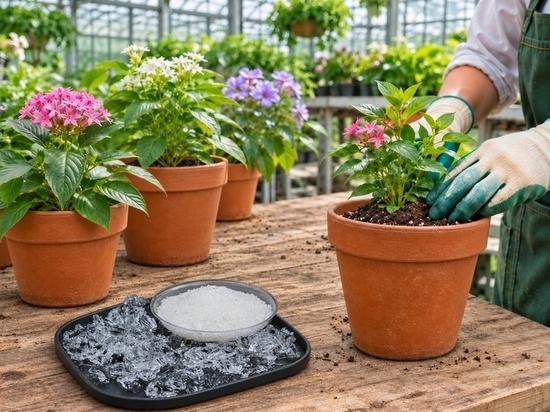
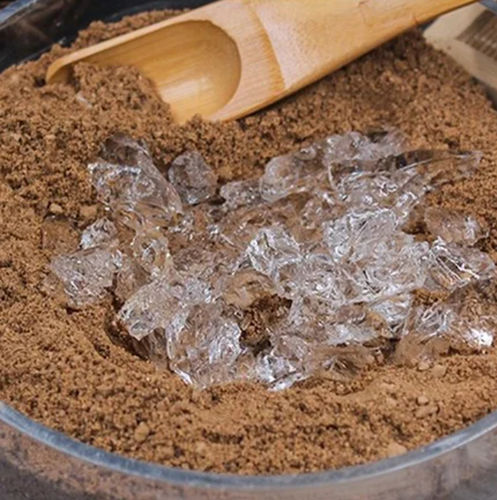
On a nursery potting bench, dry agricultural hydrogel and its hydrated form look very different. The dry product consists of small granules, while the hydrated material forms irregular, water-filled gel pieces. For growers, the useful question is how this material behaves within a growing medium and fits into everyday irrigation management.
Water management starts with the growing medium
A nursery container holds a limited volume of substrate. Its composition, container size, drainage and irrigation schedule all influence the moisture conditions around plant roots. Even within the same greenhouse, different crops and container sizes may require different watering routines.
When evaluating a water-retention additive, growers should begin with the existing potting mix. The aim is to provide suitable moisture while maintaining the drainage and aeration required by the crop.
Understanding the change from granules to gel
Agricultural hydrogel absorbs water and swells. When incorporated into a suitable growing medium, it can provide an additional water-storage component within the root zone.
However, visible swelling in a dish does not demonstrate how much water a plant will be able to use in a container. Product formulation, irrigation water, fertilizer concentration and the growing medium can all affect performance. A product should therefore be evaluated in the actual nursery system before wider adoption.
Uniform mixing supports consistent application
Application should follow the instructions for the selected product. Where dry incorporation is recommended, measure the material carefully and distribute it evenly through the specified volume of substrate. Where pre-hydration is recommended, follow the supplier’s preparation and mixing guidance.
Avoid leaving concentrated pockets of material in the potting mix. Because hydrogel expands as it absorbs water, increasing the application rate without checking the product guidance can change the behaviour of the substrate.
Match the evaluation to the nursery’s workflow
A practical trial should use the crop, container size, growing medium and irrigation water already used in production. Include an untreated comparison group and keep other management practices consistent.
Record how the containers dry between watering events, alongside irrigation volumes, plant condition and any changes in drainage or substrate volume. These observations are more useful for a purchasing decision than judging the product only by its appearance after soaking.
Introduce changes gradually
Adding hydrogel does not automatically justify reducing irrigation. Continue checking moisture within the substrate and adjust watering only when observations support a change.
The relevant commercial question is whether the treatment improves moisture management enough to justify its material cost and the additional work involved in mixing and application. The answer may differ between nursery crops and production systems.
Discuss nursery applications with SOCO
SOCO offers agricultural water-retention materials for nursery and horticultural applications. To discuss a suitable starting point, share the crop species, container volume, substrate composition, irrigation method, water quality and fertilizer programme with the SOCO team.
These details help frame product selection, application guidance and a manageable comparison trial. For nursery growers, a useful hydrogel application begins with understanding the growing medium and measuring the results under real production conditions.