#Crops
Root control in strawberries: why height and drainage make the difference
Root and neck diseases remain one of the main production limitations in professional strawberry cultivation.
In environments with high humidity, frequent irrigation, and moderate temperatures, the root system becomes the most vulnerable point of the crop. When the substrate remains saturated for too long, pathogens such as Phytophthora, Rhizoctonia, and Colletotrichum find ideal conditions to thrive, weakening the plant from its base and compromising both yield and the longevity of the plantation.
In many cases, the problem lies not in management practices, but in the design of the cultivation system itself. Continuous contact of the substrate with wet surfaces, lack of aeration beneath the roots, and inefficient drainage create an environment that is difficult to correct simply with irrigation adjustments or treatments.
Elevating the Crop to Reduce Risks
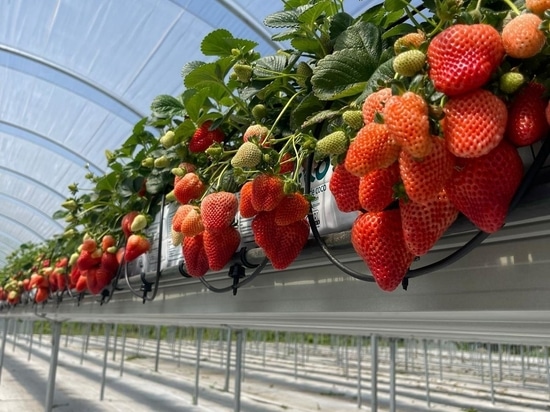
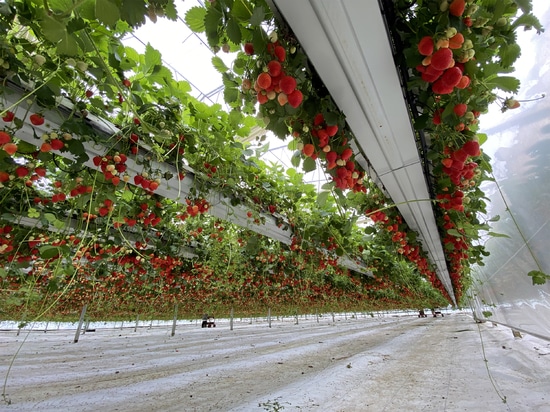
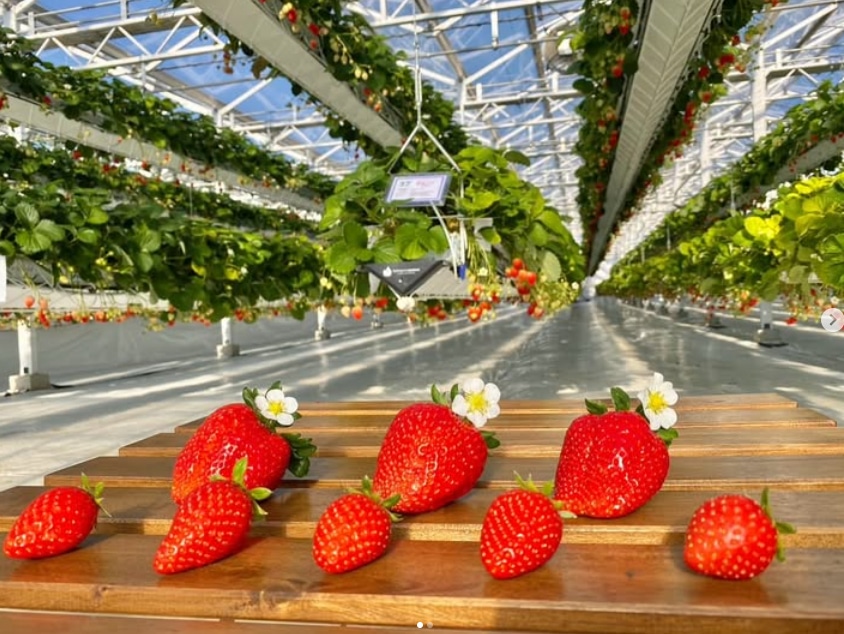
Cultivation systems in raised beds have proven to be an effective tool for breaking this cycle. By separating the crop from the soil and allowing for constant drainage, water accumulation around the crown—one of the most sensitive points of the strawberry plant—is drastically reduced.
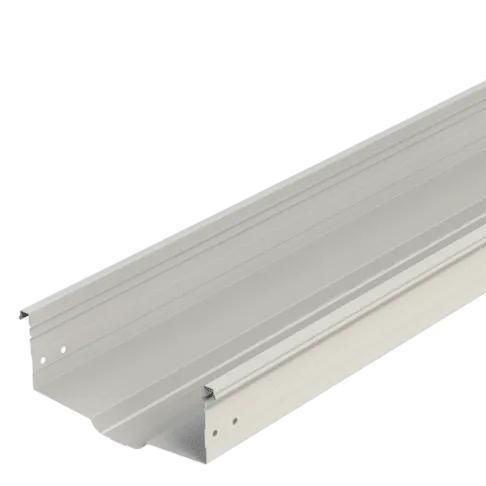
In these types of systems, the use of separating elements like the Spacer introduces an additional improvement: by keeping the substrate slightly elevated within the channel, an air space is created that promotes root oxygenation and prevents prolonged contact with areas where residual moisture tends to accumulate. This configuration limits the development of infectious foci and contributes to a more active and functional root system.
Healthier roots, more balanced plants
From an agronomic perspective, improving the root environment has direct effects on plant performance. Better aerated roots absorb nutrients more efficiently, respond better to fertigation, and tolerate water or heat stress more robustly. This results in more homogeneous plants, with more regular growth and more stable production throughout the cycle.
Furthermore, by reducing the incidence of diseases associated with excess moisture, plant losses and the need for corrective interventions are decreased, simplifying daily crop management and reducing indirect costs.
A System Designed for Continuous Production
Beyond the health aspect, growing in channels with substrate separation offers clear operational advantages: better irrigation control, greater uniformity between planting rows, and a longer lifespan for the system. These factors are especially relevant for farms geared towards demanding markets, where supply regularity and fruit quality are crucial.
In this context, prevention ceases to be a recommendation and becomes an integral part of the production strategy. Investing in solutions that minimize risks from the system design stage protects the investment and ensures consistent results season after season.
Hydroponic Systems develops elevated growing solutions adapted to different planting layouts and climatic conditions, with a clear focus on root health and cultivation efficiency. For growers looking to reduce root and crown rot problems in strawberries and move towards a more stable and profitable model, integrating channels with Spacer represents a technical change that is noticeable from the very first cycle.