#Crops
Strawberries in Uruguay face a silent (and decisive) change
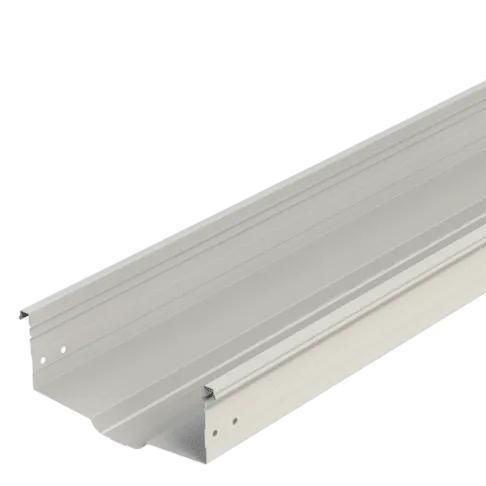
Actual results from farmers using our metal gutter system
For many years, strawberry cultivation in Uruguay followed a virtually unchanging pattern: production in soil, high dependence on labor, and results heavily influenced by health and climate issues.
Until recently, more than 90% of the country's strawberries were produced in this way, with losses due to root diseases, irregular yields, and high water and fertilizer consumption being accepted as inevitable.
Hydroponics existed, but only marginally. Some producers experimented with improvised solutions—basic channels, homemade substrates based on sand or rice husks—without any real control over drainage or the root environment. Far from consolidating the system, these attempts reinforced the idea that soilless cultivation was unreliable in the Uruguayan context.
When theory becomes results
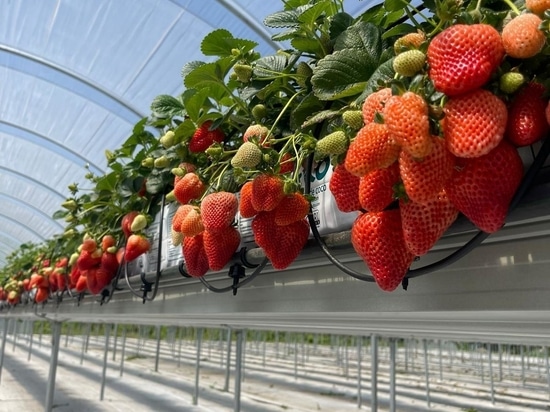
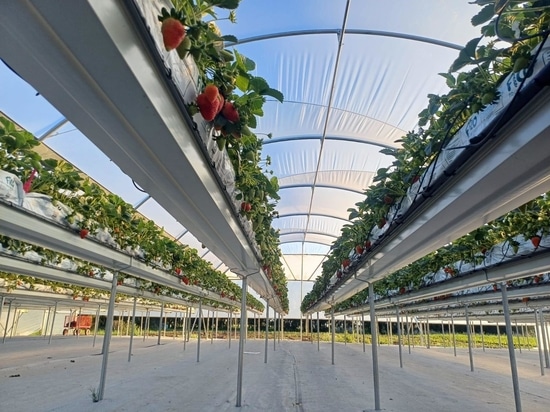
That scenario began to change in 2021, when one producer decided to take a different approach: implementing an elevated hydroponic system designed specifically for professional production, with durable materials and a clear technical focus. The project started with 15,000 plants in macro-tunnel greenhouses, a structure much better suited to the local climate than other imported hanging systems that had not worked in the region.
The difference was soon apparent. It was not just a matter of changing the growing medium, but of controlling what really determines productivity: the root. The new system made it possible to eliminate water accumulation, drastically reduce pathogen pressure, and homogenize plant development from the beginning of the cycle. Five years later, that first trial has become a replicated model.
More surface area, more plants, better numbers
Currently, different producers are already working with more than 16,000 m² of strawberries in hydroponics, totaling around 160,000 plants in production, with clear forecasts of exceeding 200,000 in the next season. This growth is not a fad or a one-off demonstration effect, but rather the result of a very simple equation: the numbers add up.
Producers highlight several key factors:
1. Real increase in yield per plant.
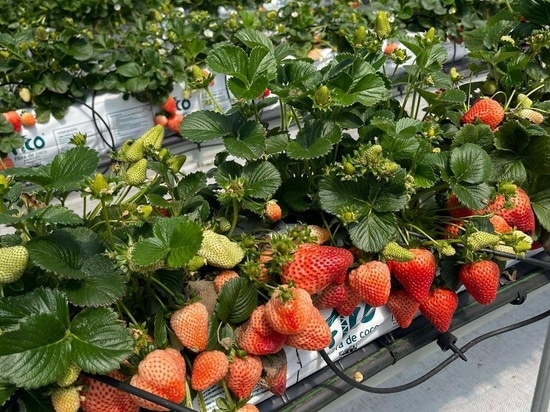
2. More uniform fruit with better commercial presentation.
3. Longer post-harvest life, essential for large stores and direct sales.
4. Less handling during harvest and post-harvest.
Better sales prices, which in some cases are much higher than those usual in traditional cultivation.
The decisive factor: controlling the root system to gain efficiency
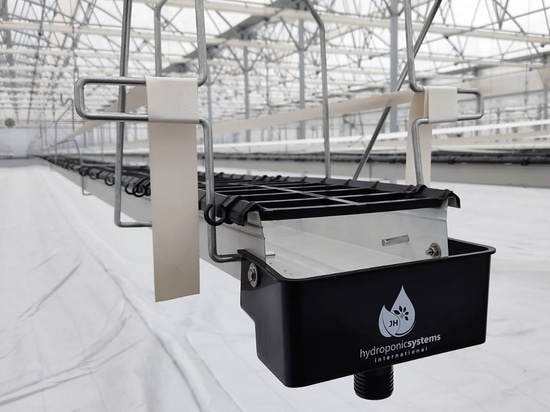
The jump in production is explained by the control of the root environment. Well-designed elevated systems allow the substrate to remain isolated from problematic surfaces, promote continuous and clean drainage, and make it possible to reuse drainage water in other crops.
This translates into tangible savings in water and fertilizers, more precise nutrition, and a significant reduction in phytosanitary treatments. The economic impact is direct: lower production costs and a faster return on the initial investment, even in a context of rising costs.
Technology, yes, but also support
Another key element in this process has been the comprehensive approach of the project. Producers not only incorporated a cultivation system, but also a way of working based on continuous technical support, real production experience, and backing throughout the investment cycle.
From initial design to implementation, including agronomic monitoring and support in preparing projects for bank financing, this model has reduced one of the biggest obstacles to technification: uncertainty.
A new scenario for strawberries in Uruguay
Today, even many of the farmers who initially doubted soilless cultivation recognize that the traditional model has less and less margin. Labor shortages, low productivity, and market demands have accelerated a change in mindset that now seems irreversible.
Professional hydroponics is not an experimental alternative. It is a strategic tool for producing more, with greater stability and using fewer resources.
This real-life case demonstrates something fundamental: not all hydroponic solutions are the same. When design, materials, and technical knowledge align, the results are no longer a promise but a clear competitive advantage.
And in Uruguay, that transition is already underway.