#Farm Machinery & Equipment
Dynamic Balancing of Flail Mower & Forestry Mulcher Rotors — Field Guide
In-situ two-plane balancing with the portable Balanset-1A: from 12.8 to 1.2 mm/s in under an hour, without removing the rotor.
A practical field guide to dynamic balancing of flail mower and forestry mulcher rotors. An unbalanced rotor destroys bearings, housings, welds and fasteners — and shakes the tractor cab. This guide explains the difference between static and dynamic imbalance and why long drums (length greater than 25% of the diameter) require two-plane balancing, why bench/shop balancing often fails once the rotor is reinstalled, and how to balance the rotor in-situ — without removing it from the machine.
It covers a pre-balancing checklist and a 7-step procedure using the portable Balanset-1A (influence-coefficient / three-run method, automated by the software), plus the relevant standards: ISO 1940-1 balance quality grades (G16 is typical for agricultural rotors) and ISO 10816-3 / 20816-3 vibration severity zones.
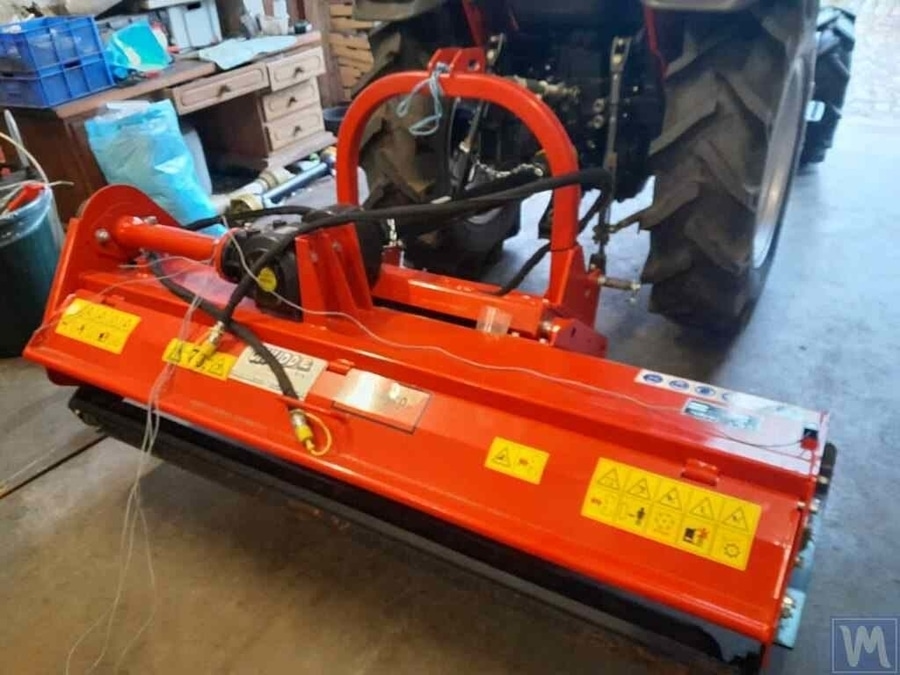
Field report (Central Portugal): a 380 kg, 1,200 mm forestry mulcher rotor on a 20-ton excavator was taken from 12.8 mm/s (ISO Zone D — dangerous) down to 1.2 mm/s (Zone A) in a 55-minute balancing job, ending a cycle of bearing replacements every 10–14 days. Equipment covered: PTO flail mowers, excavator-mounted forestry mulchers, verge/roadside mowers and stump-grinding drums.
Read the full guide with photos and field videos on our website.