#Industry News
Our Shelters Supporting Conservation Grazing
What is Eco-Grazing?
Eco-grazing, or eco-pastoralism, is the sustainable maintenance of grassy areas and landscapes using natural methods—primarily through grazing by herbivorous animals. It’s a low-impact, ecological alternative to mechanical land management.
Mobile Shelters for Rotational Grazing
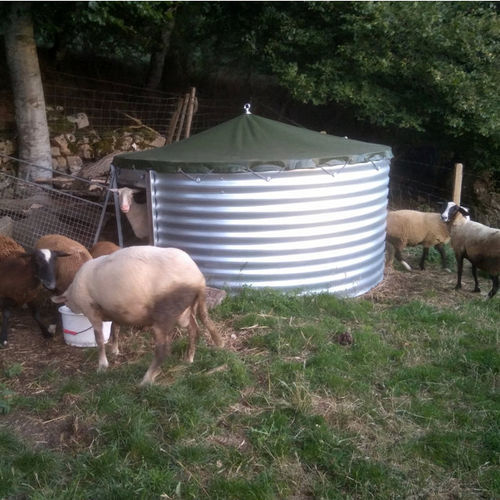
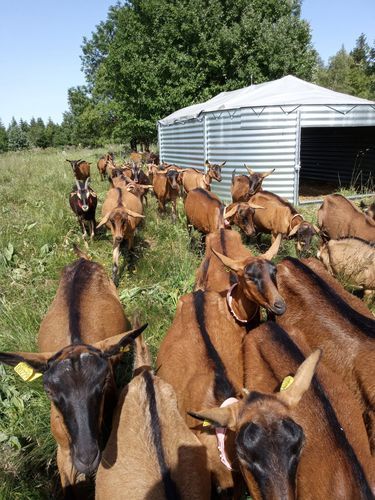
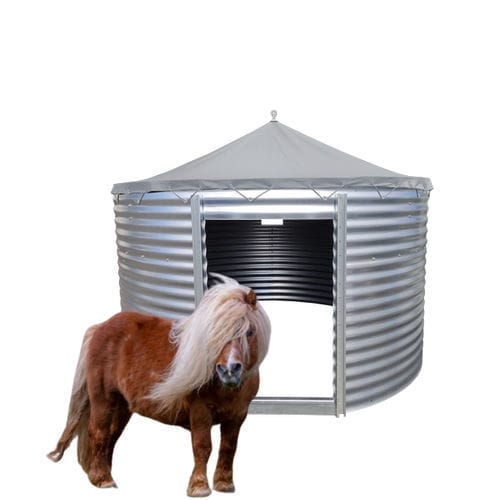
Our Technigîte®shelters are the perfect solution for animals used in eco-grazing. Easily movable and designed to house sheep, goats, pigs, and ponies, they provide a practical and reliable shelter, allowing your animals to manage the land efficiently and safely.
An Eco-Friendly, Responsible Practice
Sheep have long been the symbol of eco-grazing. What began as informal arrangements between private landowners and local farmers has grown into a widespread, structured practice. Today, both public and private entities are adopting eco-grazing to reduce maintenance costs while enhancing their environmental image.
Why? Because sheep are cost-effective, quieter than machinery, and more accepted by the public—especially in urban settings.
Examples of Who’s Adopting Eco-Grazing:
Municipalities
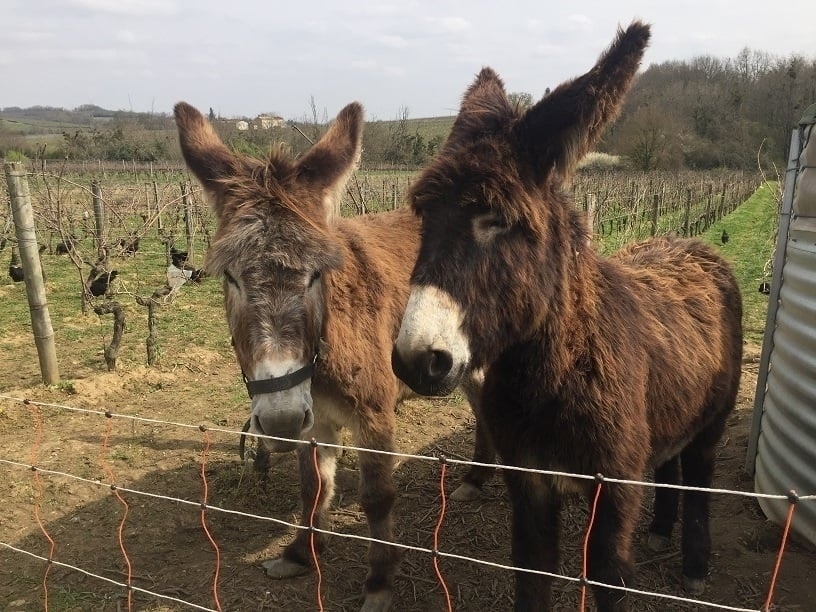
Like the city of Thiers (63), which uses goats, donkeys, and sheep to maintain public gardens.
Nature conservation organizations (CEN)
Focused on preserving protected areas in the most natural way possible.
Highway management companies
Utilizing sheep to maintain roadside areas and rest stops.
Private companies
Maintaining green landscapes around their facilities.
Private landowners
Looking for an environmentally friendly way to care for their land while enjoying the presence of animals.
Beyond Sheep: A Growing Herd of Helpers
While sheep remain popular, they now share the field with other valuable grazing partners. Goats, ponies, donkeys—and even pigs—are increasingly used for various maintenance tasks.
These animals are not only eco-friendly, but they can also access rough or uneven terrain that’s hard for machines to reach.
Who does what?
Sheep: Natural lawnmowers—perfect for tall grasses.
Goats: Expert brush-clearers, ideal for tackling brambles, ivy, and shrubs.
Ponies & Donkeys**: Great for larger plots and can coexist with other animals.
Horses: Prefer short grass and can cover significant areas.
Cattle: Effective for large spaces but require more logistics and have a heavier footprint.
Pigs in the Vineyard? Absolutely.
Some winemakers are now turning to pigs for natural weeding between vines. The **Kunekune pig**, in particular, is a standout. Thanks to its small size and unique anatomy—it can’t lift its head—it uproots grass clumps to eat the roots without damaging higher foliage like grapevines.
A smart and sustainable solution for vineyard maintenance!
Poultry can also be an excellent addition, helping with insect control and ground maintenance.
Getting Started with Eco-Grazing
Best Practices and Tips
Get Proper Training
Official training programs are available to become a certified eco-grazing service provider. These courses help you understand animal management, land ecology, and business practices to meet the growing demand from both public and private sectors.
Choose the Right Animal
Select your grazing partners based on your land type and goals:
Sheep: Calm and efficient, ideal for flat, grassy terrain.
Goats: Perfect for brush and steep or uneven land.
Donkeys/Ponies: Useful for larger or mixed-terrain areas.
Cattle: Suited for large surfaces but more demanding in terms of infrastructure.
Plan Your Grazing Strategy
Rotational grazing: Encourages regrowth, reduces overgrazing, and limits parasites.
Use mobile fencing: Electric or traditional fences to manage movement.
Provide shelter: Ensure animals have access to dry areas, shade, and rest zones.
Look into Financial Support
Many regions now offer funding or incentives to promote eco-grazing. For instance, in **Hauts-de-France**, a program launched in 2023 supports landowners in restoring or maintaining the ecological health of their plots—favoring natural over mechanical solutions and promoting wildlife movement.
Check your local area for similar initiatives.
Raise Awareness
Communication**: Educate residents and visitors on the benefits of eco-grazing and how to behave around animals.
Community events**: Like educational farm days or workshops, these are great opportunities to engage the public and promote sustainable land care.
Partner with Experts
Collaborations: Work with local authorities, NGOs, and eco-grazing specialists to benefit from their experience.
Join networks: Participate in professional groups or online communities to exchange ideas and best practices.
Ready to Take the Leap?
By following these guidelines, you’ll be well-equipped to start your eco-grazing journey—preserving biodiversity, reducing your environmental impact, and enjoying a cost-effective alternative to mechanical maintenance.
Let nature do the work—responsibly!