
#Livestock
Trial Confirms Rubber Cattle Mats Cut Slip Incidence by 99%, Delivering Major Gains in Livestock Welfare and Operational Productivity
Livestock Rubber Mats
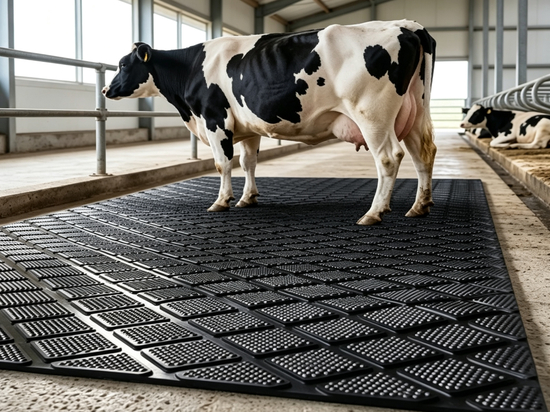
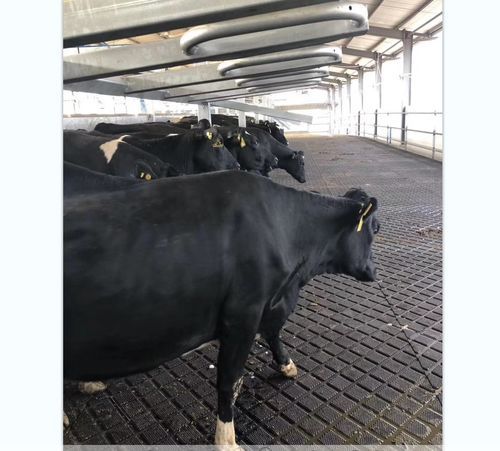
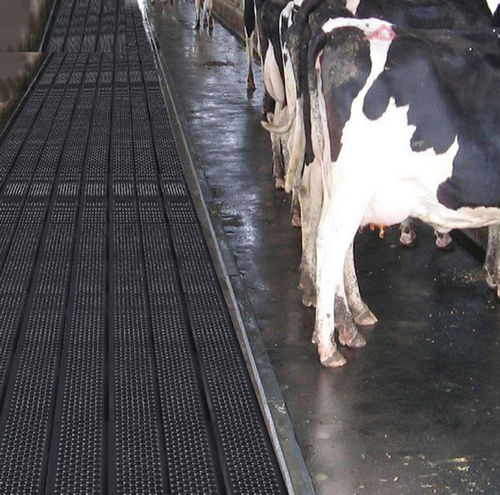
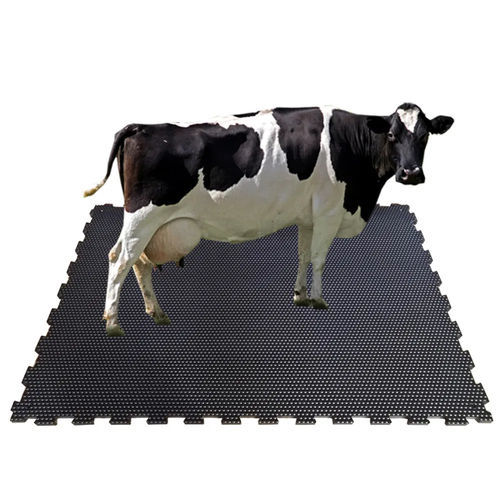
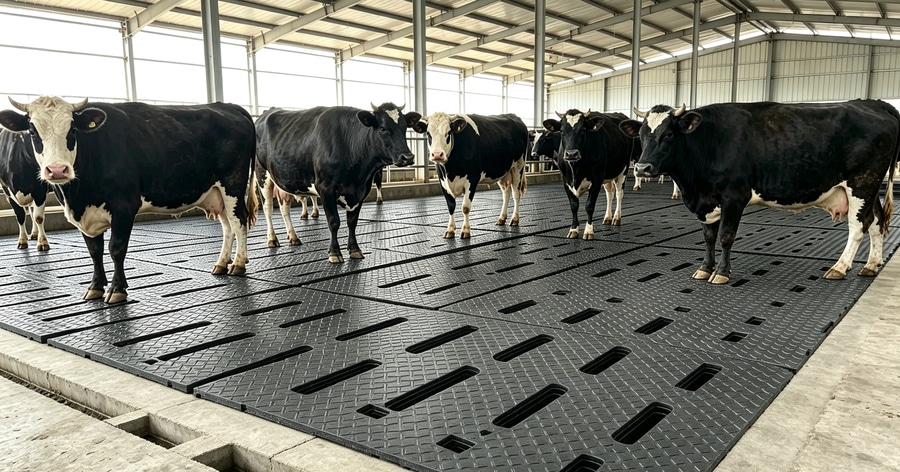
Findings from a recent livestock export initiative co-led by Meat & Livestock Australia (MLA) and LiveCorp confirm that installing rubber cattle mats in cattle yard walkways, loading ramps and transport facilities reduces cattle slip rates by 99% and eliminates serious fall incidents entirely, delivering marked improvements to both animal welfare and farm operational efficiency.
The trial was conducted in Western Australia. Researchers evaluated seven rubber mat specifications across export quarantine yard alleys, loading ramps and livestock transport vessels, benchmarking performance against conventional flooring surfaces including wood chip bedding, textured concrete and steel grating. Key results are as follows:
For cattle: All tested rubber mat variants completely eliminated severe falls, with slip incidence dropping by 99% compared with concrete flooring;
For sheep: All mat variants achieved zero fall events. Five out of the seven variants recorded zero slips, while the remaining two delivered a 96% reduction in slip rate.
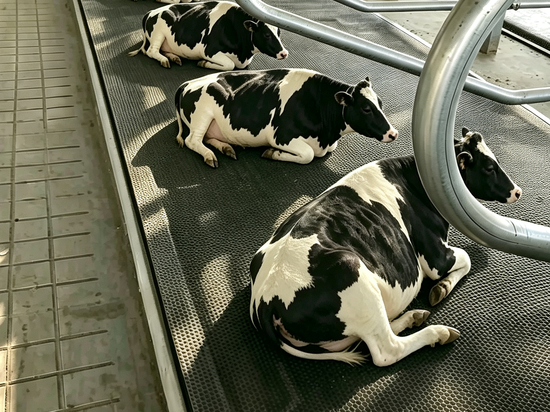
Beyond core anti-slip performance, the trial validated additional operational and maintenance advantages of rubber cattle mats. Installation is straightforward and requires no downtime for facility retrofitting; the easy-to-clean surface upholds high hygiene standards; and the durable, wear-resistant material stays securely in place without cracking under heavy continuous hoof traffic, resulting in a lower total cost of ownership over its service life.
Karl Archer, trial lead and agricultural consultant, noted that the value of rubber mats extends well beyond injury prevention. Reduced hoof and limb injuries in cattle drive down veterinary costs, accelerate throughput of healthy livestock, and lower stress levels for both animals and handling personnel.
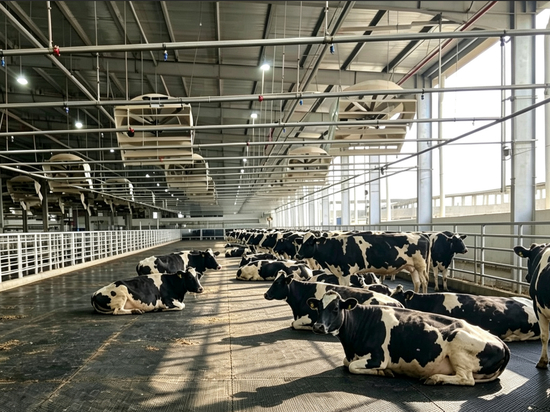
Rubber cattle mats are already in widespread use across Australian beef farms, dairy operations and feedlots. Following the positive trial outcomes, ports and pasture operations in Southeast Asian markets including Indonesia have launched pilot deployments, and the solution is on track to become a standard fixture in large-scale livestock production.