#Farm Machinery & Equipment
Part 2: How to Choose an Incubator: Needs & Features
Part 2: How to Choose an Incubator: Needs & Features
IV. How to Choose an Incubator (Buying Guide)
A. Determine Your Needs
Scale of Operation
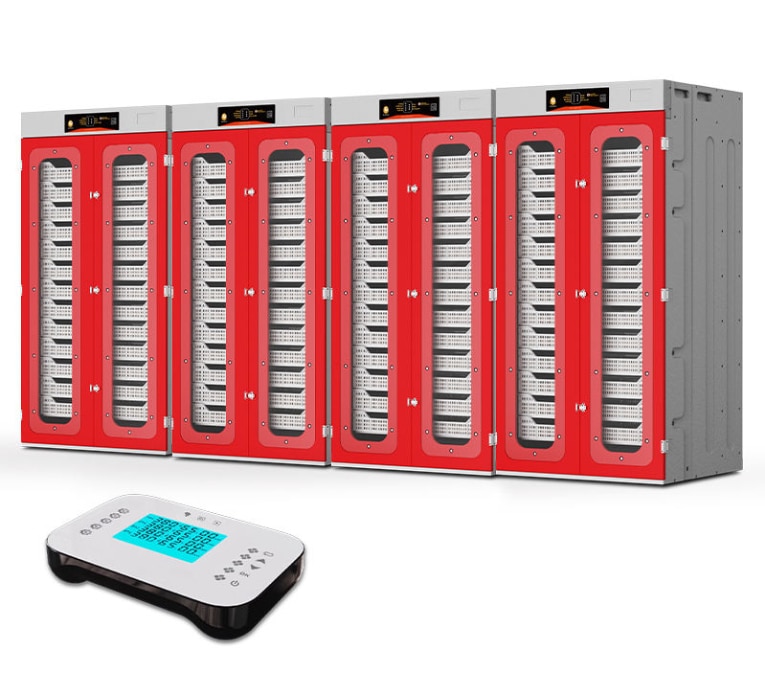
For small - scale or hobby - based operations, such as a backyard poultry keeper or a small aviculture enthusiast, a smaller incubator may be sufficient. Consider the number of eggs you plan to hatch at once. If you only want to hatch a few chicken eggs (say 10 - 50 eggs) for personal use, a small setter - and - hatchery machine or even a basic setter (if you have a separate hatcher) may work. However, for commercial poultry farms or large - scale aviculture facilities, large - capacity incubators that can handle hundreds or even thousands of eggs are necessary. These large incubators are often designed as setter - and - hatchery machines to streamline the process and increase efficiency.
Type of Eggs
Different bird species have different egg sizes and incubation requirements. If you plan to hatch multiple types of eggs, such as chicken, duck, and quail eggs, you need an incubator that can be adjusted to meet the specific needs of each. Some incubators come with interchangeable egg trays or adjustable settings for temperature, humidity, and egg turning that can be customized for different egg types. For example, quail eggs are much smaller than chicken eggs and require a different temperature and humidity profile during incubation. Make sure the incubator you choose can be adapted to these variations.
B. Evaluate Key Features
Temperature Control
Humidity Control
Egg Turning
Ventilation
C. Consider Build Quality and Durability
Material and Construction
Brand and Reputation
D. Cost - Effectiveness
Initial Cost vs. Long - Term Value
Energy Efficiency
V. Conclusion
Click the link in the lower right corner to read more details.