#Industry News
The Trend of Farm Electrification: Why Energy Storage Matters
Electrifying Agriculture: Zero Carbon Farm
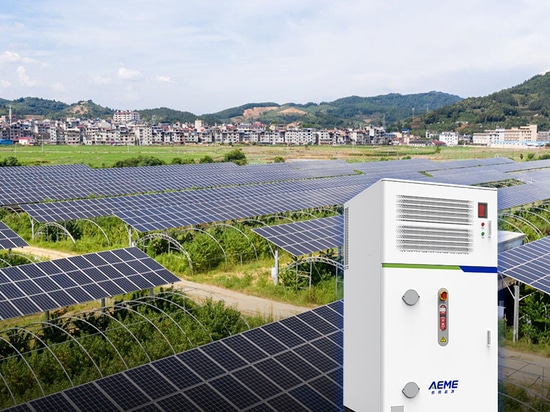
Modern farming is becoming more electric. Tractors, pumps, and cooling systems increasingly run on electricity. This shift can lower costs and emissions. But rural power grids often struggle to keep up. Old transformers and limited capacity mean many farms face unreliable supply. Grid upgrades often lag behind. In this situation, on-farm solar power, sometimes called agrivoltaics, appears to be a promising option. However, solar energy is not always available. This is where energy storage can play a useful role.
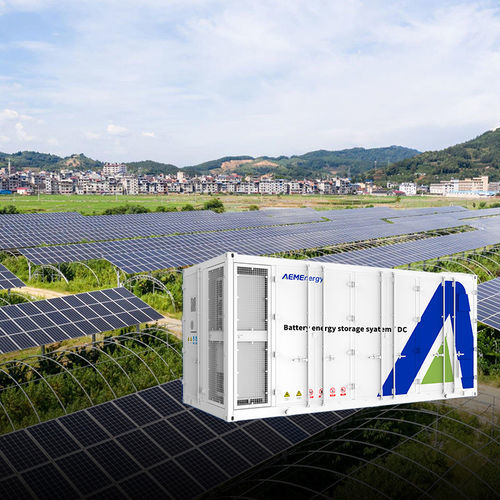
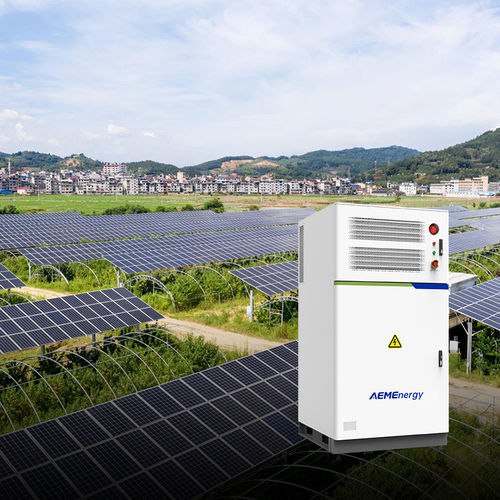
Energy storage systems, such as batteries, can store solar power generated during the day for use at night or on cloudy days. For a farm with electric milking machines or cold storage, having stored energy can help avoid interruptions when the grid is weak or when the sun is not shining. For example, a dairy farm might keep its refrigeration running after sunset using stored solar electricity. This is not the only solution, but it is a helpful one.
Storage can also give farms a degree of independence from an unreliable grid. In some cases, it may reduce the need for backup diesel generators. It might even lower electricity costs by allowing farmers to use stored power during peak price hours.
Rising Farm Electrification Trend:
1. Electrification transition: As Europe reduces carbon emissions, looking ahead, the average annual growth in electricity demand over the next five years is expected to be 50% higher than the average growth of the previous ten years.
2. Energy self-sufficiency: Many European farms install solar panels on warehouse roofs or use biomass power generation on pastures. In Germany and France, agrivoltaics allows generating electricity while growing crops, easing the pressure of electricity costs during irrigation peaks.
3. Weather challenges: As extreme summer heat increases in Europe, electricity consumption for irrigation and cooling on farms has shown a clear upward trend in recent years.
A Typical Zero-Carbon Farm Setup with a Focus on the Day-Night Cycle.
1. During the day: Solar panels generate electricity. Most of this power goes through a charge controller to charge the battery bank. The battery then supplies power to the farmhouse (lights, coolers, milking machines), the fields (irrigation pumps, electric fences), and also charges electric machinery (tractors, harvesters). Any excess can optionally be fed to the weak rural grid, but this is not the primary path.
2. During the night: No solar generation occurs. The battery bank releases its stored energy to continue powering the farmhouse, fields, and any machinery that needs charging. This ensures uninterrupted operation without relying on diesel generators.
In short, energy storage is often a very practical way to overcome rural grid constraints. When combined with solar power, storage makes renewable energy more reliable. For farms looking to cut emissions and improve energy security, storage is worth serious consideration.
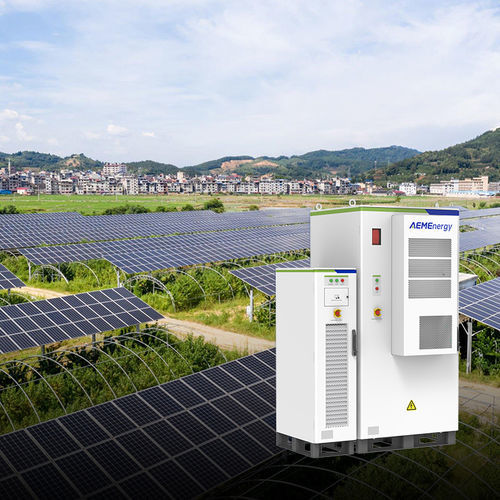
Integrated Solar Storage System Model: Advantages of an All-in-One Solution
1. Cost Optimization: Increases photovoltaic conversion and self-consumption rates, reduces electricity costs during peak pricing periods.
2. From solar generation to energy storage configuration, the solution achieves full integration of energy production, storage, and usage.
3. Energy Resilience: Reduces dependence on the grid, supports electrification, and helps manage unexpected risks.
4. Long-term returns: Enables asset value preservation and appreciation through trading arbitrage and electricity bill savings.